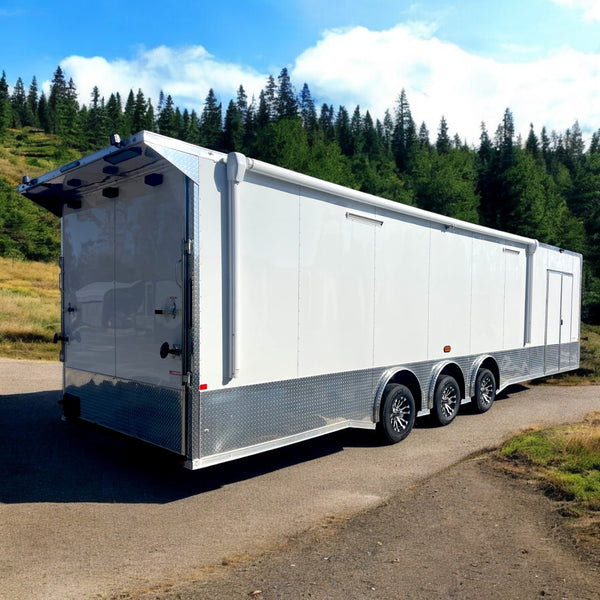
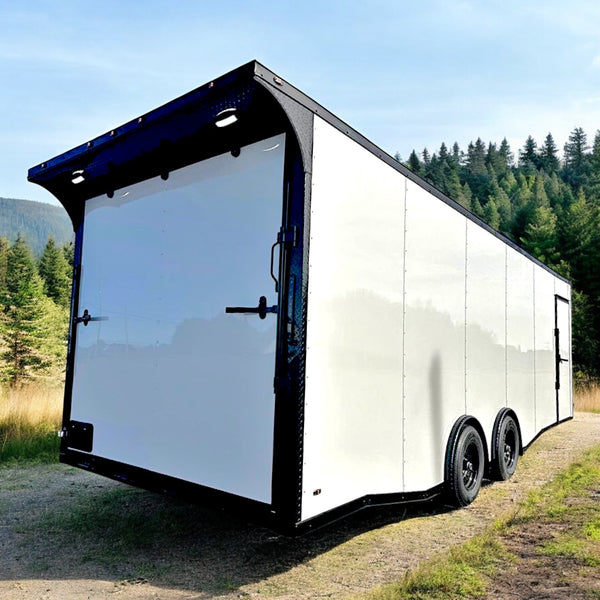
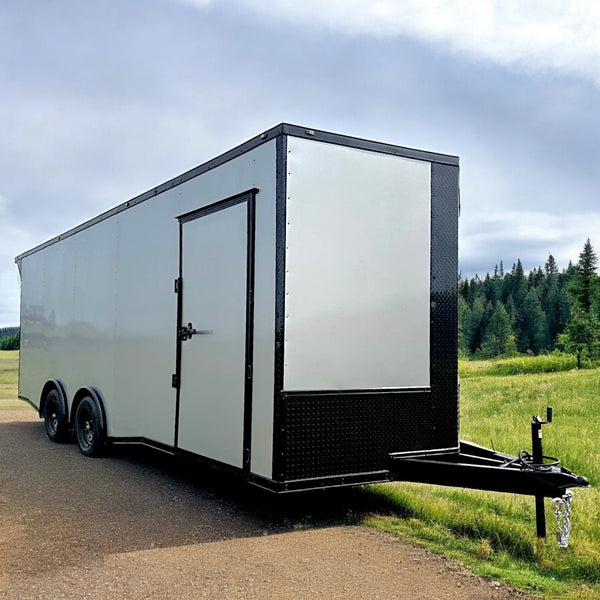
Choosing between a steel and aluminum trailer isn't just about price. The right choice depends on what you're hauling, where you're going, and what you're towing it with. Youneed to weigh three main things: how much it all weighs, how it holds up to weather, and what kind of strength you really need.
Get this decision wrong, and you could be stuck with higher fuel bills, constant maintenance, or a trailer that can't handle your job. Let's break down the key differences so you can pick the trailer that actually fits your life. Keep reading to see which material makes sense for you.
Quick Comparison
Before choosing between aluminum and steel, here’s a simple look at the most important differences.
-
Weight and Towing: Aluminum trailers are significantly lighter, reducing strain on your tow vehicle and saving fuel, which is critical if you're using a half-ton truck.
-
Climate and Corrosion: Steel trailers require diligent anti-rust maintenance, especially in wet or salty areas, while aluminum naturally resists corrosion with minimal care.
-
Strength and Use Case: Steel provides superior rigidity for extreme, off-road abuse and heavy machinery, whereas aluminum excels for frequent, on-road hauling where weight and longevity are priorities.
Aluminum vs Steel Enclosed Trailer Comparison
If you want a clearer side-by-side view, this table highlights the practical differences between aluminum and steel enclosed trailers. It focuses on the factors that most owners care about: weight, maintenance, durability, and long-term value.
|
Feature |
Aluminum Enclosed Trailer |
Steel Enclosed Trailer |
|
Weight |
Around 30% lighter, easier for many tow vehicles |
Heavier, adds stability but increases tow load |
|
Fuel Efficiency |
Better fuel mileage due to lower weight |
Slightly worse fuel economy because of added mass |
|
Corrosion Resistance |
Naturally rust resistant, ideal for salty or humid climates |
Vulnerable to rust, requires coating and maintenance |
|
Maintenance |
Minimal upkeep, basic cleaning usually enough |
Requires regular paint checks, rust prevention, repairs |
|
Strength |
Strong but slightly more flexible under extreme stress |
Very rigid, ideal for heavy machinery or rough terrain |
|
Repairability |
Repairs require skilled aluminum welding |
Easier to repair at most welding shops |
|
Upfront Cost |
Typically higher purchase price |
Usually 20–40% cheaper initially |
|
Long-Term Value |
Higher resale value and lower maintenance costs |
Lower upfront cost but higher long-term upkeep |
This quick comparison helps clarify the trade-offs. Aluminum focuses on efficiency and longevity, while steel emphasizes initial affordability and rugged strength.
Why Your Climate Dictates the Material
The material you choose for your trailer depends heavily on your local weather. It's not just rain you have to think about, it's road salt.
"While aluminum trailers often come with a higher upfront cost than steel, their long-term cost efficiency makes them a worthwhile investment. With lower maintenance, reduced towing costs, and higher resale value, aluminum trailers pay for themselves over time." - Wright Way Trailers
-
In states that salt roads heavily, steel frames are constantly at risk. Rust can start inside the frame where you can't see it, weakening the trailer long before the paint bubbles.
-
Aluminum naturally fights this. When it's exposed to air, it forms a thin, protective skin that stops deep corrosion. For humid or coastal areas, this means the trailer can last for decades with just basic cleaning, especially when the unit features premium construction and durability designed to withstand salt air.
-
If you go with steel, you commit to yearly check-ups and paint touch-ups to manage rust. Aluminum keeps its strength over time with far less work from you.
The Real Impact of Trailer WeightCredits: Formula Trailers
The choice between aluminum and steel isn't just about the trailer itself, it directly affects your truck and your wallet. The weight difference is substantial, often around 30% or more.
A lighter aluminum trailer means you are towing less dead weight. This reduces strain on your truck's transmission, brakes, and engine. For owners using vehicles like a Ford F-150, this can be the difference between a comfortable, legal tow and pushing the limits of the truck's Gross Vehicle Weight Rating (GVWR).
The fuel savings are real, too, with some owners reporting noticeable improvements in mileage over long hauls. A steel trailer's extra mass provides inherent stability in crosswinds, but that weight penalty eats into your available payload capacity from the moment you hitch up.
You have three clear impacts from trailer weight. First, your fuel economy will be better with a lighter trailer. Second, you can carry more actual cargo before hitting legal weight limits. Third, the reduced mass means less wear on your truck's braking system over time.
Long-Term Value and Total Cost

Looking only at the sticker price tells a fraction of the story. The true cost of a trailer is measured over its entire life, from purchase to eventual sale.
"A lightweight aluminum trailer means less wear and tear not only on your tow vehicle, but on the trailer itself... Plus, a lighter trailer also takes less of a toll on your driveway, yard, or wherever you park it." - Alcomusa
Steel trailers almost always win on initial purchase price. They are less expensive to manufacture. However, the total cost of ownership includes maintenance, repairs, and resale value.
An aluminum trailer, with its resistance to rust, typically requires far less ongoing investment, a major advantage if you decide to customize an enclosed trailer with high-end interior finishes.
-
Steel offers a lower initial investment, often 20-40% less at the dealership.
-
Aluminum provides a lower total cost of ownership when factoring in maintenance and fuel.
-
For steel in harsh climates, a hot-dip galvanized frame is the best defense for long-term value.
Performance Under Stress and Repairability

How you use your trailer matters. While the choice between an enclosed trailer vs open deck hauling usually depends on security needs, both material types must perform excellently for smooth highway miles before the pavement ends.
Steel has a property called a fatigue limit. This means below a certain stress level, it can flex virtually indefinitely without cracking. It's forgiving of off-camber loads and rough, backroad terrain. As one forum member bluntly put it, steel is for "tough love." Aluminum, while strong, does not have this same fatigue limit.
Constant vibration and flexing, especially from overloading or very rough roads, can lead to stress cracks over time, particularly at weld points. This is a key consideration for those hauling UTVs like a Can-Am Defender on forest service roads.
Repairability is another practical difference. Nearly any welding shop can repair a steel trailer frame with common equipment. Repairing aluminum requires a welder with specific skills and a clean environment to avoid contaminating the weld.
FAQ
How does the weight difference affect towing and fuel mileage?
The weight difference between an aluminum trailer and steel trailers can change how your tow vehicle performs on the road. A lighter cargo trailer often improves fuel mileage and puts less stress on the towing capacity of trucks like a Ford F150. Lower tongue weight also makes daily towing easier, especially with a single axle or tandem axle setup.
Do aluminum trailers really resist road salt better than steel trailers?
Many owners choose an aluminum trailer because it is naturally rust resistant, especially in regions like the North East where salting roads is common. Chemicals such as sodium chloride, calcium chloride, and magnesium chloride can quickly damage untreated steel trailers.
Aluminum avoids most corrosion issues, while steel often needs galvanized coating or regular protection.
How does trailer frame design affect durability and cargo stability?
Frame design plays a big role in strength and safety. A steel frame with heavy welded construction provides strong rigidity for a large car hauler trailer or utility trailer.
Meanwhile, Structural Aluminum frames made with welded aluminum box tubing reduce weight. The right design also keeps the center of gravity stable during towing.
What axle setup works best for an enclosed cargo trailer?
The right axle setup depends on what you plan to haul. A single axle works well for lighter cargo trailer loads, while tandem axles or a dual axle design increase stability and payload capacity.
Many heavier enclosed trailer setups also include electric brakes and a brake controller to safely manage weight during towing.
Making Your Final Trailer Decision
So, does aluminum or steel make more sense for you? Your location, your truck, and what you haul decide it. If you want less maintenance, better gas mileage, or live near the coast, aluminum is the smarter long-term buy.
If you need the lowest price upfront or plan on brutal off-road work, a galvanized steel trailer is the tougher choice. Just make sure your truck can handle the total weight. Ready for a trailer built with that same focus on quality and longevity? See the premium enclosed trailers designed for the long haul at Backyard Escapism.
References
-
https://www.wrightwaytrailers.com/the-benefits-of-aluminum-trailers-over-steel/
-
https://www.alcomusa.com/blog/aluminum-vs.-steel-alcom-aluminum-trailer-advantage
Related Articles
- https://backyardescapism.com/blogs/the-escapist/premium-construction-&-durability
- https://backyardescapism.com/blogs/the-escapist/why-customize-enclosed-trailer
- https://backyardescapism.com/blogs/the-escapist/enclosed-trailer-vs-open-deck-hauling