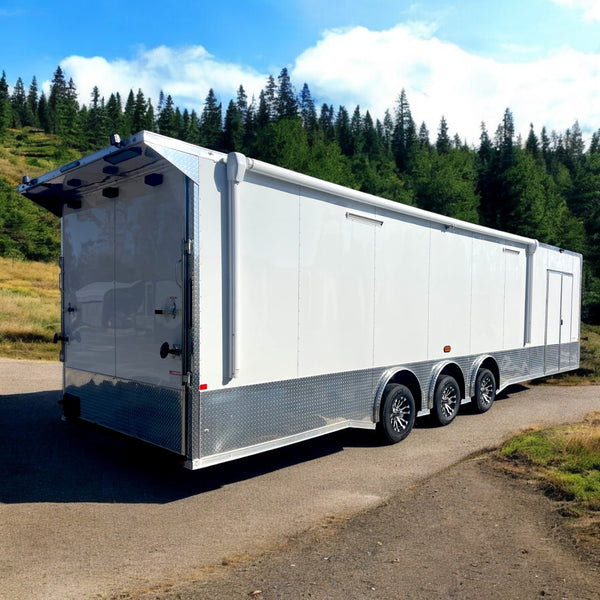
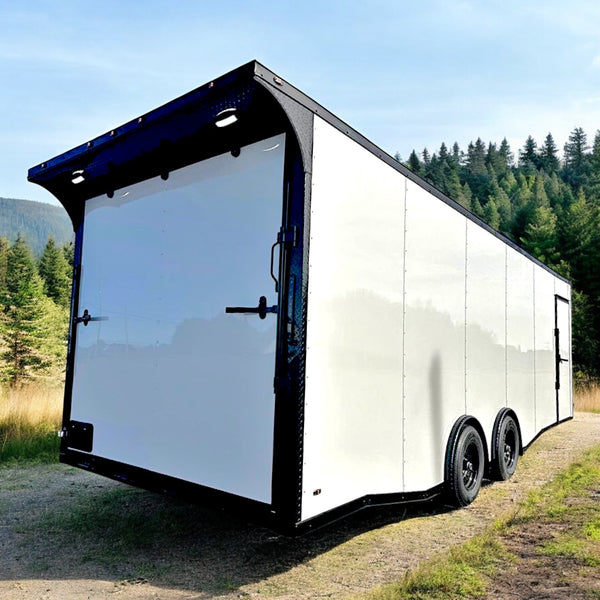
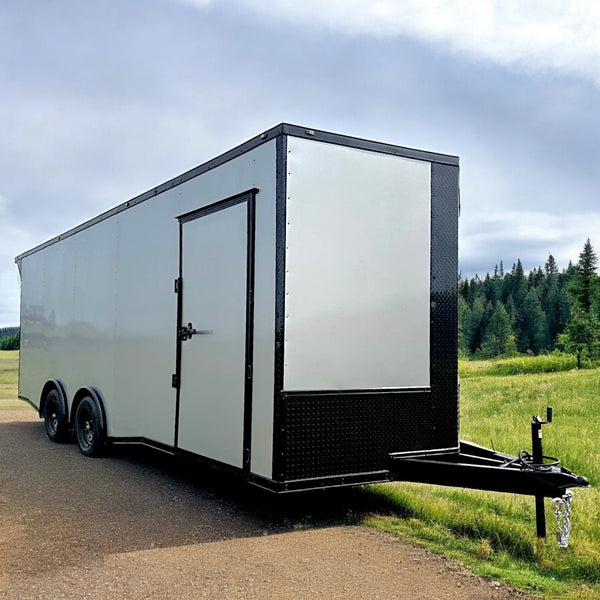
Is custom trailer worth the investment? Yes, it can be worth it when the trailer is built around real hauling needs, valuable cargo, long-term use, and fewer daily compromises. A custom trailer is not always the lowest-cost option, but it can make more sense when a standard layout keeps creating problems.
For homeowners, outdoor users, business owners, and vehicle haulers, the question is whether it protects what matters, saves time, fits the job, and stays useful. At Backyard Escapism, we focus on that practical fit. Keep reading to see when custom is worth considering.
What Should Buyers Know Before Choosing a Custom Trailer?
These three points help us judge trailer value clearly before looking at upgrades, finishes, layouts, or total project cost.
-
A custom trailer is worth it when it solves real hauling problems, such as cargo fit, loading access, storage, or protection.
-
Long-term value depends on build quality, towing fit, useful upgrades, warranty clarity, and how often the trailer will be used.
-
The best investment is not the most expensive build. It is the trailer that fits the cargo, tow vehicle, storage needs, and future plans.
Why Does Custom Trailer Value Start With Real Use?
A custom trailer becomes easier to justify when we start with real use instead of a long upgrade list. The strongest reason to customize is function. A trailer should make hauling easier, cleaner, and more reliable.
A standard trailer may work for simple jobs. It can move tools, equipment, furniture, vehicles, or outdoor gear. But many owners eventually notice small limits. The ramp may feel too steep. The interior may feel too tight. The tie-down points may not match the cargo. Storage may be awkward. Lighting may not help with early or late loading.
Those small limits can become daily friction. If we use a trailer often, friction matters. It affects how long loading takes, how safe the cargo feels, and how much effort each trip requires.
That is where a custom trailer can create value. It gives more control over layout, size, ramp style, storage, flooring, lighting, ventilation, and cargo access. The result should match the way the trailer will actually be used.
For buyers who already know they need a better fit, a clear buying checklist can help connect trailer planning with real hauling needs, cargo fit, storage, and long-term use.
What Makes a Custom Trailer an Investment?

A custom trailer becomes an investment when it supports repeat use, protects valuable cargo, and reduces wasted effort over time. The value is not only about resale or appearance. It is about practical return.
The first part is fit. A custom trailer can be sized and arranged for the cargo instead of forcing the cargo into a generic box. That matters for cars, ATVs, tools, event gear, landscaping equipment, or mobile business setups.
The second part is protection. Enclosed trailers can help shield cargo from weather, road debris, and open exposure. That protection can matter more when the cargo is expensive, delicate, or used for work.
The third part is flexibility. A smart custom layout may support more than one use. One trailer might haul equipment during the week and recreational gear on the weekend. When the design supports both, the trailer becomes more useful.
Still, custom does not mean adding every upgrade possible. A good investment focuses on features that will be used often. If an upgrade does not improve loading, storage, protection, safety, or long-term use, it may not add much value.
What Are the 7 Signs a Custom Trailer Is Worth the Investment?

The best custom trailer decisions come from clear use cases. These signs can help us decide whether customization makes sense.
|
Sign |
Why It Matters |
Investment Value |
|
Cargo is valuable |
Tools, vehicles, and equipment need better protection |
Helps reduce exposure and handling stress |
|
Standard layouts feel limiting |
Generic space may not match the cargo |
Improves fit and daily use |
|
The trailer is used often |
Small problems repeat every trip |
Saves time across long-term use |
|
Loading is difficult |
Ramp, door, and tie-down placement affect workflow |
Makes loading smoother and safer |
|
Storage needs are specific |
Loose gear creates clutter and wasted time |
Keeps tools and parts easier to reach |
Is custom trailer worth the investment if only one sign applies? Maybe. The case becomes stronger when several signs apply together.
When Is a Standard Trailer Not Enough?

A standard trailer can be a good fit for basic hauling. But it may fall short when the owner needs specific access, protection, storage, or interior organization.
The first issue is space. A trailer may technically fit the cargo, but still feel hard to load. If every trip requires careful angling, extra hands, or repeated rearranging, the trailer is not really saving time.
The second issue is access. A door or ramp in the wrong place can slow down the whole process. If one item must be unloaded just to reach another, the layout may not support real use.
The third issue is protection. Open exposure can be fine for some cargo, but not for tools, vehicles, finished materials, or equipment that needs to stay cleaner and more secure.
Before choosing a build, buyers should check whether the trailer truly fits their cargo, storage needs, towing setup, loading access, and long-term use.
A custom trailer becomes worth considering when the standard option keeps forcing extra work. Over time, those workarounds can become part of the true cost.
Is the Cost of a Custom Trailer Only About the Purchase Price?
The cost of a custom trailer includes more than the number on the invoice. It also includes how well the trailer works after delivery.
A lower-cost trailer can still become expensive if it does not fit the cargo, slows down loading, creates storage problems, or needs changes later. A higher-quality custom build may cost more at first, but it can reduce those issues when the design matches the buyer’s actual needs.
Several factors beyond the invoice can affect whether a custom trailer delivers practical long-term value for the buyer over time:
-
Cargo value: A trailer carrying valuable tools, vehicles, equipment, or business assets has greater protection and organization needs than one used for light hauling.
-
Use frequency: A trailer used weekly places more importance on layout, lighting, ramp access, flooring, and storage than one used only a few times each year.
-
Financing approach: Some buyers may prefer spreading the cost of a better-fitting trailer instead of choosing a layout they may quickly outgrow.
Buyers comparing payment options should consider whether the total ownership cost fits their budget and long-term plans. For more details on payments, see our guide on how to finance a custom enclosed trailer. A well-planned trailer should reduce daily problems rather than create uncomfortable financial pressure.
This article is not financial or tax advice. Business buyers should speak with a qualified professional about tax, depreciation, financing, and ownership decisions.
Why Do Weight, Payload, and Towing Fit Matter?
Credits: Minnesota Department of Public Safety
A custom trailer should match the cargo and the tow vehicle. Weight planning is one of the most important parts of trailer value.
“The manufacturer's certification label must show the GVWR. The GVWR must not be exceeded by overloading the vehicle.” - National Highway Traffic Safety Administration
That matters because upgrades add weight. Cabinets, flooring, generators, interior walls, spare parts, tools, and cargo can all reduce available payload. A trailer that looks perfect on paper can become frustrating if it cannot safely carry what the owner needs.
Buyers should check tow vehicle capacity, hitch setup, trailer GVWR, expected cargo weight, brakes, tires, and payload needs before choosing a build.
A strong custom trailer investment is not only about having more features. It is about having the right features while staying practical for towing, loading, storage, and long-term use.
Which Features Can Add Long-Term Value?
|
Feature Area |
Useful When |
Buyer Question |
|
Interior lighting |
Loading early, late, or indoors |
Will we load in low light? |
|
Tie-down systems |
Hauling vehicles, tools, or equipment |
Does cargo need fixed anchor points? |
|
Cabinets and storage |
Carrying tools, parts, or accessories |
Will storage save setup time? |
|
Ramp or door upgrades |
Loading wheeled cargo or heavy gear |
Is loading safe and easy? |
|
Flooring upgrades |
Frequent loading or heavy equipment |
Will the floor handle repeated use? |
Useful trailer features should solve real problems. The best upgrades make the trailer easier to load, safer to use, cleaner to organize, or more reliable over time.
Is custom trailer worth the investment when upgrades are chosen carefully? Often, yes. The strongest upgrades are used often, not only noticed once.
Why Should Warranty and Ownership Support Count?
Warranty clarity can affect whether a custom trailer feels like a safer investment. A strong build still needs clear ownership details and service expectations.
“Whenever there’s a warranty, the law says it must be available for you to read before you buy. That’s true whether you shop in person or online.” - Federal Trade Commission
That does not mean buyers should only focus on warranty length. We should also look at what is covered, what is excluded, what maintenance is required, and how support questions are handled. That is why understanding trailer warranty coverage matters before choosing upgrades that may affect maintenance, service, or long-term ownership expectations.
A custom trailer may include special features that need care. Electrical systems, flooring, ramps, doors, cabinets, and exterior finishes should be understood before purchase.
Good records also matter. Keep build details, warranty information, receipts, financing papers, and maintenance notes in one place. Clear records can make ownership easier and may help if the trailer is sold later.
A trailer investment is not only about delivery day. It is also about how easy the trailer is to own, maintain, and rely on.
How Can Custom Trailers Support Business Use?
A custom trailer can be especially useful for business owners who need reliable hauling, mobile storage, or an organized workspace. For these buyers, trailer layout can directly affect daily workflow.
When tools and equipment have a fixed place, loading can become easier. Cargo protection from weather and road exposure can also help owners move valuable gear with greater confidence.
Business owners can judge the practical value of a custom trailer by considering several questions about its effect on their daily operations:
-
Does it reduce loading time? A clear layout can make tools and equipment easier to load, unload, and find.
-
Does it protect valuable equipment? Enclosed storage can reduce exposure to weather, dirt, and road debris.
-
Does it support a cleaner workflow? Organized cabinets, tie-downs, and storage areas can help owners arrive better prepared.
Ownership planning should also include the tax implications of commercial trailers. These details can vary by business type, location, and intended use, so buyers should discuss tax, depreciation, financing, and ownership decisions with a qualified professional.
A custom enclosed trailer can also support a more professional setup. Even when customers do not see the full interior, organized gear can help the work feel more controlled and reliable.
Still, business buyers should avoid overbuilding. A trailer should support the work model rather than become a rolling storage space filled with upgrades that do not improve daily use.
How Can Custom Trailers Support Personal Use?
A custom trailer can also make sense for personal use. Vehicle owners, outdoor families, hobby builders, homeowners, and motorsport users may need more than a basic cargo trailer. Planning ahead by checking trailer insurance requirements can also help ensure you have the right coverage for your specific personal hauling needs.
Personal value often comes from convenience and peace of mind. A trailer that fits the cargo well can make weekend trips, home projects, and equipment storage easier.
For example, someone hauling an ATV may care about ramp angle, tie-down placement, interior height, lighting, and room for tools. Someone hauling furniture or home project materials may care about floor strength, weather protection, and simple access.
A custom trailer can also reduce the need for multiple hauling solutions. When one trailer handles several common tasks well, it becomes easier to justify.
Personal buyers should still be honest about use frequency. If the trailer will sit unused most of the year, a simpler build may be enough. If it supports regular hobbies or valuable cargo, customization becomes easier to defend.
When May a Custom Trailer Not Be Worth It?
A custom trailer is not always the right choice. It may not be worth it when the buyer has light, rare, or very basic hauling needs.
If cargo is small, low-value, and easy to move, a standard trailer may work. If the buyer is not sure what will be hauled, it may be better to measure and plan first before customizing.
It may also be the wrong time if the towing setup is not ready. A trailer that exceeds practical towing comfort can create stress, even if the trailer itself is well built.
Budget comfort matters too. If customization creates uncomfortable payments, the trailer may not feel like a smart investment. A focused build or smaller custom setup may be better.
Is custom trailer worth the investment when upgrades are chosen mostly for looks? Sometimes, but the value is weaker. The strongest case comes from function first.
What Questions Should Buyers Ask Before Buying?
These questions help buyers decide whether a custom trailer solves real problems or only adds features that may not be used.
Before choosing a build, we should define the cargo, use frequency, storage needs, and towing setup as clearly as possible.
-
What cargo will we haul most often?
-
How often will the trailer be used each month?
-
Does the cargo need weather protection?
-
Do we need special tie-downs, cabinets, lighting, or flooring?
-
Will the trailer be used for business, personal projects, or both?
-
What tow vehicle will be used?
-
What payload and GVWR do we need?
-
Which upgrades will we use every time?
-
Which upgrades are nice but not essential?
-
What warranty terms and service expectations matter?
A custom trailer becomes easier to plan when these answers are clear. Without them, it is easy to overspend or choose features that do not support real use.
FAQ
Is custom trailer worth the investment for occasional use?
A custom trailer may not be worth the investment for very occasional light use. If the trailer only carries basic cargo a few times a year, a standard trailer may be enough.
What makes a custom trailer more valuable?
A custom trailer becomes more valuable when it improves cargo fit, protection, loading access, storage, organization, towing fit, and long-term usability.
Is an enclosed custom trailer better than an open trailer?
An enclosed custom trailer can be better when cargo needs protection from weather, road debris, and open exposure. An open trailer can still work for simple hauling.
Can a custom trailer help with business use?
Yes. A custom trailer can help business use when it organizes tools, protects equipment, supports faster loading, and creates a more reliable mobile setup.
What should we check before investing in a custom trailer?
Check cargo size, payload needs, tow vehicle capacity, GVWR, storage layout, ramp access, warranty terms, and how often the trailer will be used.
Is Custom Trailer Worth the Investment for Your Next Build?
Is custom trailer worth the investment? It can be when the trailer is used often, protects valuable cargo, and solves problems that a standard layout cannot. The best build is not the one with the most upgrades, but the one that fits the job and stays useful for years.
See the 24ft Ultimate Auto & Toy Hauler at Backyard Escapism.
Ready to plan around your own cargo, access, and storage needs? Build Your Ideal Trailer Today.
References
-
https://www.nhtsa.gov/importing-vehicle/importation-and-certification-faqs-1
-
https://consumer.ftc.gov/articles/warranties
Related Articles
-
https://backyardescapism.com/blogs/the-escapist/how-to-finance-a-custom-enclosed-trailer
-
https://backyardescapism.com/blogs/the-escapist/understanding-trailer-warranty-coverage
-
https://backyardescapism.com/blogs/the-escapist/trailer-insurance-requirements-guide