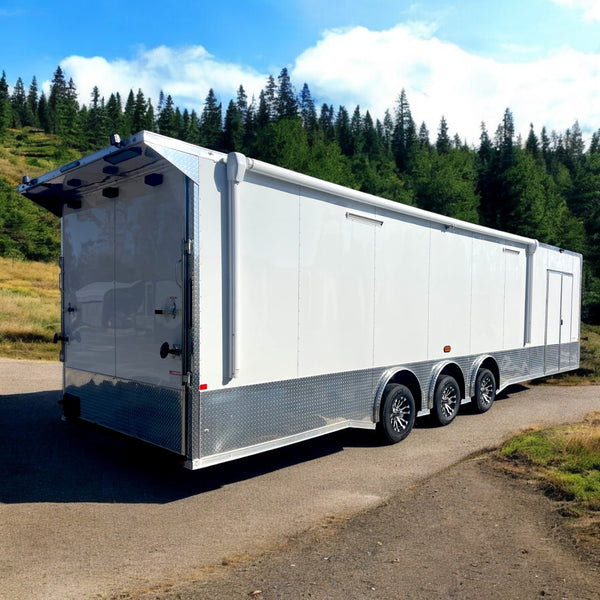
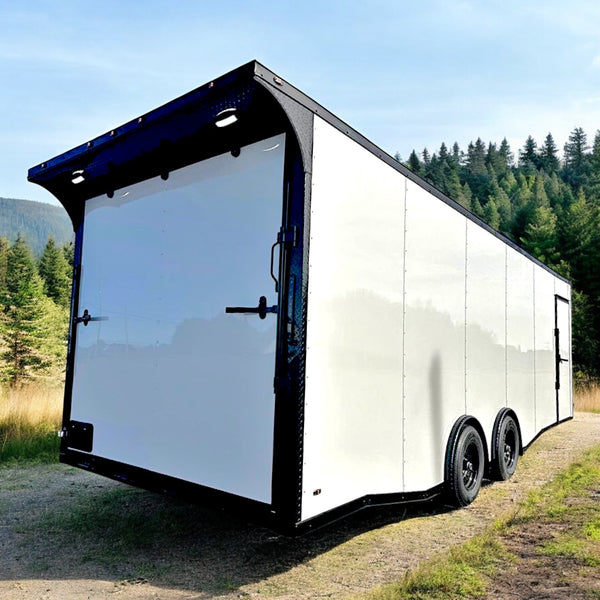
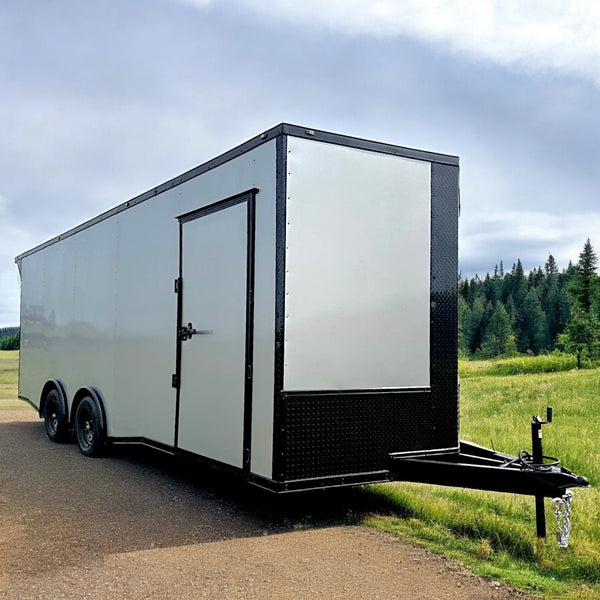
Choosing the best enclosed trailer layout depends on matching trailer size, cargo capacity, and interior design with the equipment or vehicles we plan to transport.
The right dimensions, axle setup, and door clearance help us load safely, organize cargo, and tow efficiently without exceeding weight limits.
Many people focus only on trailer size, but interior layout, GVWR limits, and towing stability are just as important for daily use.
When these factors work together, the trailer becomes safer and easier to use for work or personal hauling.
Keep reading to explore practical enclosed trailer layouts, sizing methods, and interior design ideas.
Essential Ideas Behind the Best Enclosed Trailer Layouts
Understanding best enclosed trailer layouts ideas becomes easier when we focus on a few practical design principles before exploring specific sizes and interior configurations.
-
Choosing trailer dimensions based on cargo type improves loading efficiency and helps prevent clearance problems during transport.
-
Matching GVWR, axle capacity, and payload keeps the trailer operating within safe weight limits.
-
Planning the interior layout carefully increases usable space for tools, vehicles, equipment, and organized storage.
Enclosed Trailer Size Selection and Cargo Capacity Planning
Selecting the right enclosed trailer size begins with understanding the cargo dimensions, total weight, and how frequently we plan to haul equipment.
Matching Cargo Capacity With Vehicle Fit
When we match the trailer capacity with the vehicle or equipment dimensions, loading becomes smoother and safer.
Important factors include:
-
Cargo weight total
-
Cargo width and height
-
Loading method
-
Door clearance
-
Interior layout needs
If we underestimate these measurements, we may struggle with tight clearances or unsafe weight distribution.
Understanding GVWR and Payload Limits
Every enclosed trailer has a Gross Vehicle Weight Rating (GVWR). This number represents the maximum safe weight including the trailer itself and the cargo.
The formula is simple:
Payload capacity = GVWR − trailer empty weight
For example:
-
Trailer GVWR: 7000 lbs
-
Empty weight: 2200 lbs
Payload capacity:
4800 lbs available for cargo
This calculation helps us avoid overloading and protects both the trailer and the tow vehicle. It is a critical safety step, as
“the NHTSA reports that tire-related crashes, often worsened by overloading or improper tire inflation, cause approximately 612 fatalities each year.” - NHTSA Traffic Safety Facts
Single Axle vs Tandem Axle Sizing
Axle configuration affects both capacity and towing stability.
Single axle trailers
-
Lower cost
-
Lighter overall weight
-
Easier maneuverability in tight urban spaces
-
Suitable for smaller cargo loads
Tandem axle trailers
-
Higher payload capacity
-
Better highway stability
-
Safer for long distance hauling
-
Reduced stress on each axle
Most work trailers larger than 7x14 use tandem axles to support heavier loads.
Standard Enclosed Trailer Dimensions and Practical Uses
Trailer sizes follow common dimension standards that help us plan cargo placement and interior layout effectively. Each size offers different advantages depending on how we plan to use the trailer. Some sizes work better for light cargo and personal hauling, while larger trailers provide more room for equipment, vehicles, and organized storage.
The following table summarizes common enclosed trailer sizes and their typical uses to help us compare options quickly before exploring each size in more detail.
Common Enclosed Trailer Sizes and Typical Uses
|
Trailer Size |
Interior Space Advantage |
Typical Use Case |
|
5x8 |
Compact and easy to maneuver |
Small equipment, personal cargo, light landscaping tools |
|
6x10 |
More floor space than 5x8 |
Motorcycles, tools, small equipment |
|
6x12 |
Balanced cargo capacity |
Contractor tools, lawn equipment, delivery cargo |
|
7x14 |
Extra workspace inside |
Mobile workshop, construction tools |
|
7x16 |
Larger storage layout |
Contractor equipment and organized shelving |
|
8.5x20 |
Wide interior for vehicles |
Car hauling and race car transport |
|
8.5x24 |
Maximum cargo capacity |
UTV transport and multi-equipment hauling |
Interior Layout Design for Work and Equipment Trailers
Credit: Adventure Gear TV
Interior layout determines how efficiently we can organize tools, vehicles, and cargo while keeping weight evenly distributed.
Wall Storage and Shelving Layout
Wall mounted storage helps keep the floor clear and improves organization.
Common storage elements include:
-
wall shelving systems
-
pegboard tool walls
-
E-track cargo rails
-
adjustable hooks and brackets
These features allow flexible storage for changing cargo needs.
Workbench and Tool Storage Areas
Many enclosed trailers function as mobile workshops.
Important layout features include:
-
foldable work tables
-
drawer stack tool storage
-
cabinet base organization
-
tool organizer panels
A properly placed workbench creates a dedicated repair or preparation area.
Overhead and Loft Storage
Overhead storage increases the usable volume of the trailer interior.
Examples include:
-
overhead cabinets
-
loft storage shelves
-
ceiling mounted racks
These spaces are ideal for lightweight equipment and spare supplies.
Electrical Layout and Lighting
Proper electrical layout improves trailer usability by supporting lighting, power access, and equipment operation inside the workspace. According to experts at Family Handyman,
“when wiring passes through a trailer frame we should “always use grommets or a piece of conduit” to prevent vibration from damaging insulation and causing electrical shorts.” Family Handyman Electrical Wiring Tips
Careful placement prevents wiring interference with storage systems.
Door Size, Ramp Design, and Loading Access

Door design directly affects how easily we can load equipment or vehicles into the trailer.
Ramp Door Height and Width
Door dimensions must match the cargo height and width.
Typical clearances include:
-
door height: 72 to 84 inches
-
door width: 70 to 96 inches
Insufficient clearance may prevent larger equipment from entering the trailer safely.
Ramp Angle and Loading Safety
The ramp angle determines how easily wheeled vehicles can enter the trailer.
Longer ramps create:
-
gentler loading angle
-
improved safety
-
reduced risk of undercarriage contact
Motorcycles and golf carts benefit from longer ramp lengths.
Barn Doors vs Ramp Doors
Each door type offers different advantages.
Ramp doors
-
easier vehicle loading
-
multi purpose loading platform
-
common for car haulers
Barn doors
-
lighter weight
-
simpler design
-
easier manual operation
The choice depends on how we use the trailer.
Vehicle Fit and Specialty Transport Layouts

Different vehicles require specific trailer layouts to ensure safe transport and efficient space usage.
Motorcycle Transport Layout
Motorcycle trailers typically include:
-
wheel chocks
-
floor tie-downs
-
ramp access
-
narrow storage shelving
These features stabilize the bike during travel.
ATV and UTV Loading Layout
ATV and UTV transport requires wider interior spacing.
Important considerations include:
-
side-by-side vehicle width
-
ramp door clearance
-
floor tie-down points
-
cargo spacing
The interior must allow room for safe maneuvering.
Golf Cart Enclosure
Golf carts require specific height and width clearance.
Typical needs include:
-
door height clearance
-
ramp strength
-
interior wheel spacing
-
ventilation openings
This layout protects the vehicle while keeping loading simple.
Weight Distribution and Towing Stability
Proper weight distribution improves towing safety and highway stability.
Tongue Weight Balance
Tongue weight refers to the downward force on the hitch.
A common guideline is:
10–15% of total trailer weight
Too little tongue weight causes trailer sway, while too much overloads the tow vehicle.
Tow Vehicle Capacity Matching
Before choosing a trailer size, we must confirm the tow vehicle limits.
Key specifications include:
-
maximum towing capacity
-
hitch rating
-
brake system compatibility
-
suspension strength
Ignoring these limits can create unsafe towing conditions.
Turning Radius and Ground Clearance
Larger trailers require more turning space.
Important factors include:
-
trailer length
-
axle position
-
wheelbase of the tow vehicle
Ground clearance also affects ramp loading and uneven terrain travel.
Business, Personal, and Long Distance Hauling Considerations
Trailer layouts should match the type of hauling we plan to do most often.
Small Business Cargo Layout
Small business trailers often prioritize organization.
Typical layout elements include:
-
shelving for tools
-
equipment racks
-
cargo tie-downs
-
secure storage cabinets
This setup allows efficient daily operation.
Personal Hauler Setup
Personal trailers focus on versatility rather than specialized equipment storage.
Common uses include:
-
moving household items
-
transporting recreational equipment
-
hauling small vehicles
A simple open interior often works best.
Long Distance Transport Stability
For highway travel, stability becomes a priority.
Features that help include:
-
tandem axles
-
wider trailer body
-
balanced payload distribution
-
proper tire ratings
These elements reduce sway and improve control.
Regulations, Resale Value, and Future Expansion

Planning for regulations and future needs helps ensure the trailer remains useful over time.
DOT Compliance and State Weight Limits
Transport regulations vary by region, but most require compliance with:
-
trailer lighting standards
-
braking systems
-
weight limits
-
safety chains
These requirements help ensure safe road use.
Resale Value and Trailer Size Demand
Certain trailer sizes remain popular in resale markets.
Examples include:
-
6x12
-
7x14
-
8.5x20
Choosing common sizes can make resale easier later.
Planning for Future Expansion
It is often helpful to choose a trailer slightly larger than our current needs.
Extra space allows:
-
additional equipment storage
-
layout modifications
-
future cargo expansion
This planning prevents the need to upgrade trailers too quickly.
FAQ
What is the most common enclosed trailer size for general use?
One of the most common enclosed trailer sizes is 6x12. This size offers a good balance between cargo space and easy towing. It works well for small business equipment, motorcycles, landscaping tools, and general household moving tasks.
How do we calculate enclosed trailer payload capacity?
Payload capacity is calculated by subtracting the trailer’s empty weight from its GVWR (Gross Vehicle Weight Rating).
The formula is:
Payload capacity = GVWR − trailer empty weight
This number tells us the maximum weight of cargo the trailer can safely carry.
Is a single axle or tandem axle better for enclosed trailers?
Single axle trailers are lighter, more affordable, and easier to maneuver in tight areas. Tandem axle trailers provide higher weight capacity, better stability at highway speeds, and safer performance for long distance hauling.
What interior height is best for an enclosed trailer?
Most enclosed trailers have interior heights between 6 feet and 7 feet. A taller interior allows easier movement inside the trailer and provides enough clearance for vehicles such as golf carts, ATVs, or taller equipment.
What features improve enclosed trailer organization?
Several interior features help improve organization and usability inside an enclosed trailer. Common additions include wall shelving, E-track cargo rails, overhead storage lofts, tool cabinets, and foldable workbenches. These elements keep tools secure and maximize available space.
Build a Trailer That Works for You
A custom enclosed trailer transforms hauling into a safer, more efficient, and reliable experience.
Designed around your specific cargo and workflow, it protects vehicles and equipment, simplifies loading, and ensures long-term durability.
Every detail, from layout to payload balance, enhances usability and peace of mind, turning your trailer into a dependable partner for work, adventure, and everyday transport.
See premium construction in action with the 24ft Ultimate Auto & Toy Hauler at Backyard Escapism
Or start creating a trailer built just for you. Build Your Ideal Trailer Today
References
1. https://crashstats.nhtsa.dot.gov/Api/Public/ViewPublication/812115
2. https://www.familyhandyman.com/list/how-to-tow-a-trailer-safely-and-avoid-disasters/