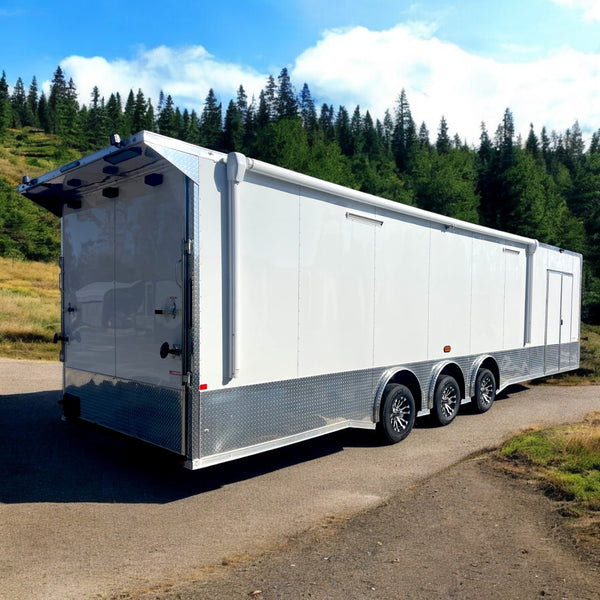
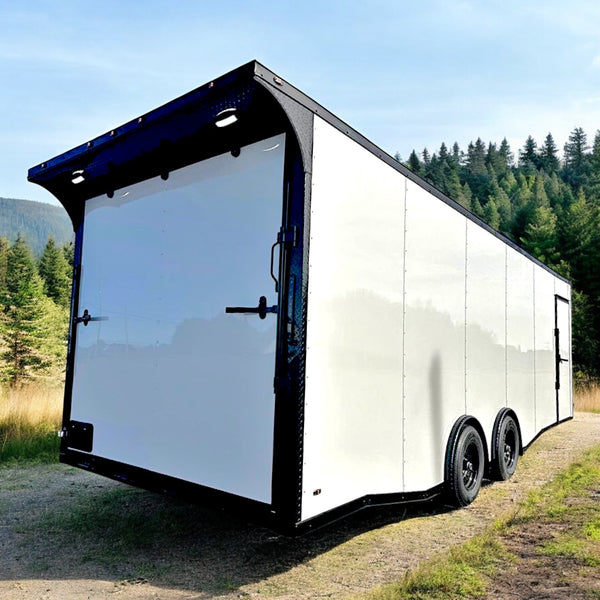
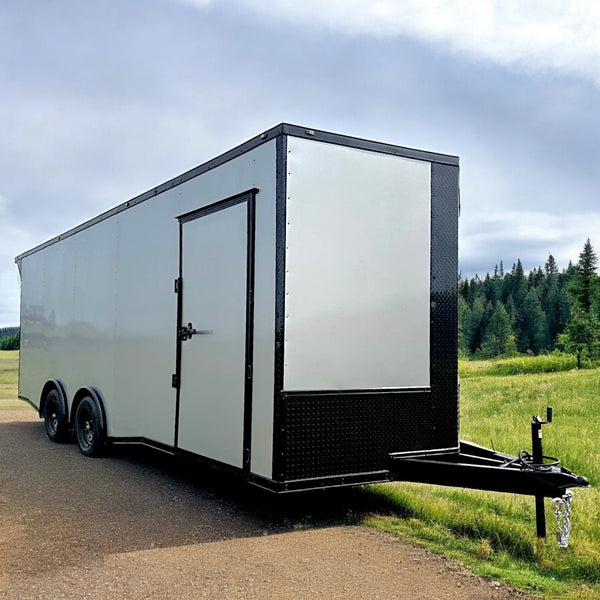
Custom enclosed trailers are transport trailers designed with fully enclosed walls and roof to protect cargo from weather, dust, and road debris.
A custom enclosed trailer design allows us to adjust size, structure, loading access, and interior layout based on the type of equipment or goods we need to move. This flexibility helps improve cargo safety, organization, and efficiency during transport.
Custom designs can support tools, vehicles, or specialized work setups while keeping everything protected on the road.
Keep reading to understand how custom enclosed trailer design supports practical, everyday hauling needs.
Custom Enclosed Trailer Design Essentials
-
Structural design affects strength and durability
Frame materials, axle configuration, and suspension systems determine how stable and durable a custom enclosed trailer is during transport.
-
Interior layout improves cargo handling efficiency
Door access, ramp systems, and cargo tie-downs help us load, organize, and secure equipment more effectively.
-
Electrical and safety systems support road operation
Lighting, wiring, brake systems, and security features help ensure the trailer remains safe and functional during daily use.
Core Structure of Custom Enclosed Trailers
The core structure of a custom enclosed trailer determines how strong, stable, and long-lasting the trailer will be. A well-built frame supports cargo weight, absorbs road stress, and protects the trailer body over time. Good structural design also helps maintain balance during travel, especially when carrying heavy equipment or tools.
Frame Construction and Structural Strength
The frame forms the backbone of the trailer. It holds the walls, floor, and roof together while supporting the full cargo load during transport.
Key construction elements often include:
-
Aluminum frame construction for lighter weight and improved corrosion resistance
-
Steel-reinforced structure to increase durability in high-stress areas
-
Tube frame chassis that provides consistent structural support across the trailer body
-
Welded frame joints to ensure strong connections between structural components
-
Corrosion-resistant coating that protects exposed metal from moisture and road debris
-
Undercoating protection applied to the trailer underside to reduce rust and wear
When these elements work together, the trailer frame can handle daily use while maintaining long-term structural integrity.
Structural Engineering for Stability
Beyond the main frame, internal structural design helps distribute weight and prevent flexing during transport. These hidden components play an important role in maintaining trailer stability.
Important structural features include:
-
Roof bow spacing that supports the roof and prevents sagging under load or weather conditions
-
Cross-member density to strengthen the floor and evenly distribute cargo weight
-
Wall post reinforcement that improves sidewall rigidity and resistance to movement
-
Floor thickness rating which determines how much weight the trailer floor can safely support
Together, these structural details help create a trailer that remains stable on the road while protecting cargo inside. A properly engineered structure also extends the service life of the trailer by reducing stress on key components.
Suspension and Axle Configuration
Suspension and axle systems help distribute weight and keep the trailer stable during travel. These components support cargo loads while reducing vibration from the road. Proper configuration improves control, especially when transporting heavy equipment or materials.
Axle Systems for Load Balance
Axle configuration determines how weight is carried across the trailer. Balanced loads help maintain safe towing conditions and reduce stress on both the trailer and towing vehicle.
Important axle-related specifications include:
-
Tandem axle configuration, which uses two axles for improved stability and higher load capacity
-
Payload capacity rating, showing the maximum cargo weight the trailer can safely carry
-
GVWR specification (Gross Vehicle Weight Rating), defining the total allowable weight including the trailer and cargo
-
Tongue weight limit, which indicates how much weight should rest on the hitch for safe towing
These measurements help ensure the trailer operates safely under normal working conditions.
Suspension Options
Suspension systems absorb road impact and keep the trailer stable while moving. The right system helps protect cargo and improve towing comfort.
Common suspension options include:
-
Torsion suspension system, which provides smoother ride quality and independent wheel movement
-
Leaf spring suspension, a traditional and durable design often used for heavier loads
Both systems are designed to manage road shock while maintaining trailer balance during transport.
Door Systems and Loading Access

Door design plays an important role in how easily cargo can be loaded and unloaded. Different door systems provide flexibility depending on the type of equipment or materials being transported.
Rear Door Options
Rear doors are the main access point for most enclosed trailers. They allow direct loading of large equipment, tools, or vehicles.
Common rear door configurations include:
-
Ramp door loading, which allows wheeled equipment to roll directly into the trailer
-
Barn door access, using two swinging doors that open outward
-
Spring assist ramp, which helps reduce the effort required to lift and close heavy ramp doors
These options improve loading efficiency and make daily use more practical.
Side Entry Systems
Side doors provide quick access without opening the rear of the trailer. This can be useful for retrieving tools or equipment during work.
Typical side entry features include:
-
Side entry door for convenient access to the trailer interior
-
RV-style side door, which offers a wider and more comfortable entry design
-
Security screen door, allowing ventilation while maintaining protection
-
Lockable door handles that improve security when the trailer is parked
Side entry systems help improve accessibility while supporting safer storage.
Cargo Securing and Flooring Systems
Proper cargo management prevents items from shifting during transport. Tie-down systems and durable flooring materials help keep equipment secure while protecting the trailer interior.
Tie-Down and Anchor Systems
Secure anchor points allow cargo to be strapped down safely. These systems are essential when transporting tools, machinery, or other heavy items.
Common cargo securing systems include:
-
E-track tie-downs, adjustable rails that allow flexible strap placement
-
D-ring cargo anchors, fixed metal rings mounted to the floor or walls for securing straps
These anchors help keep cargo stable while the trailer is moving.
Flooring and Wall Materials
Interior materials must withstand weight, moisture, and regular use. Durable surfaces also help protect the structure of the trailer.
Typical interior material options include:
-
Plywood flooring option, providing strong support for heavy loads
-
ATP wall sheets (Aluminum Tread Plate), which add durability and protect interior walls
-
Vapor barrier lining, helping control moisture inside the trailer
Together, these materials improve interior durability while supporting long-term trailer use.
Interior Workspace and Storage Setup

A well-planned interior workspace helps us use the trailer efficiently for tools, equipment, and daily tasks. Organized storage improves safety and keeps cargo accessible during work or transport.
Workspace Installation
Interior work areas allow us to perform repairs, organize tools, or prepare equipment inside the trailer. These features turn the trailer into a practical mobile workspace.
Common workspace installations include:
-
Workbench installation for tool handling and small repair tasks
-
Interior shelving units for storing equipment and supplies
-
Cabinet storage systems to keep tools organized and protected
-
Tool box integration for secure storage of frequently used tools
These features help maintain a clean and functional workspace inside the trailer.
Utility and Equipment Storage
Additional storage solutions support larger equipment and maintenance tools that must travel with the trailer.
Common utility storage features include:
-
Fuel station compartment for safely storing fuel containers
-
Spare tire carrier for keeping an extra tire ready during long trips
Proper storage design ensures equipment remains secure while maximizing available space.
Ventilation and Climate Preparation
Ventilation systems help control airflow inside enclosed trailers. Proper air circulation prevents heat buildup and reduces moisture that can damage equipment or stored items.
Airflow and Vent Placement
Vent placement allows fresh air to move through the trailer interior. Good airflow improves comfort and helps protect stored equipment.
Common ventilation features include:
-
Roof vent placement to release warm air rising inside the trailer
-
Side wall vents that allow air to circulate through the interior space
These vents help maintain balanced airflow during transport and storage.
Climate Control Readiness
Some trailers are designed to support temperature control systems. These preparations make it easier to install heating or cooling equipment when needed.
Climate preparation may include:
-
Ceiling insulation layer to reduce heat transfer
-
Climate control readiness for future heating or cooling systems
-
A/C mounting provision for installing air conditioning units
-
Heater duct placement to distribute warm air through the trailer
These features help regulate interior temperature when trailers are used as workspaces.
Electrical and Lighting Systems
Electrical systems power lighting and equipment inside the trailer. Proper wiring improves visibility and ensures the trailer meets road safety requirements.
“Efficient electrical components can also reduce energy use, as electric systems are known for their high efficiency.” - afdc.energy.gov
Electrical systems power lighting and equipment inside the trailer. Proper wiring improves visibility and ensures the trailer meets road safety requirements.
Interior Electrical Features
Interior power sources support lighting and small electrical devices used during work or transport.
Typical interior electrical features include:
-
LED interior lighting for energy-efficient illumination
-
USB charging stations for powering small devices
-
110V interior outlets for standard electrical equipment
-
Power inverter outlet that converts battery power for device use
These features allow the trailer to function as a mobile work area when needed.
Exterior Lighting and Safety
Exterior lighting helps other drivers see the trailer clearly, especially at night or during poor weather conditions.
Common exterior lighting components include:
-
Exterior clearance lights to indicate the trailer’s width and height
-
Brake light integration that signals when the towing vehicle slows down
-
Turn signal wiring to communicate lane changes and turns
These lighting systems support safe operation while towing.
Power Supply and Energy Options
Power systems provide electricity for lighting, equipment, and other trailer functions. Reliable energy sources help maintain consistent operation during travel or work.
“Efficient electric power systems can also reduce operational costs, as electric vehicles generally have lower maintenance and energy expenses.” - anl.gov
Trailer Power Systems
Primary power systems support electrical components and provide backup energy when needed.
Common trailer power features include:
-
Battery backup system that supplies stored electricity for lights and devices
-
Generator prep package that prepares the trailer for generator installation
These systems help maintain electrical power in different environments.
Renewable Energy Preparation
Some trailers are designed to support renewable power options. Solar preparation allows us to generate electricity while the trailer is parked or traveling.
A common renewable feature includes:
-
Solar panel readiness, which allows solar panels to be installed for additional power generation
Renewable energy options can help support electrical needs without relying entirely on external power sources.
Brake Systems and Vehicle Connections
Reliable braking and proper vehicle connections help ensure safe towing and controlled stopping. These systems allow the trailer to respond correctly to the towing vehicle.
Brake Options
Brake systems improve stopping control, especially when transporting heavy cargo or driving on uneven roads.
Common trailer brake options include:
-
Electric brakes setup that connects to the towing vehicle’s brake controller
-
Surge brake mechanism that activates braking through trailer movement during deceleration
These systems help distribute braking force and reduce strain on the towing vehicle.
Tow Vehicle Connection
A proper electrical connection allows the trailer to communicate with the towing vehicle’s lighting and brake systems.
Typical connection features include:
-
7-way plug connection, which supports brake signals, lighting functions, and auxiliary power between the trailer and vehicle
This connection ensures lighting and braking systems operate correctly during travel.
Exterior Design and Protective Features
Exterior design influences aerodynamics, cargo space, and durability. Protective materials help reduce damage from road debris and environmental exposure.
Trailer Body Design
The body design determines how the trailer handles airflow and how much cargo space it provides. Different structural options allow trailers to match specific transport needs.
|
Design Feature |
Purpose |
Practical Benefit |
|
V-Nose Front Design |
Improves airflow at the front of the trailer |
Better aerodynamics (fuel savings) and additional interior storage space. |
|
Flat Front Profile |
Maintains a simple and traditional trailer shape |
Easier construction, often lower cost, and a familiar towing profile. |
|
Wide Body Dimensions |
Expands the total width of the trailer body |
Provides additional cargo capacity for side-by-side vehicles or wider gear. |
|
Extra Height Clearance |
Increases the vertical interior space |
Allows for the transport of tall equipment, lifted UTVs, or stacked cargo. |
|
Custom Length Build |
Adjusts trailer length to specific cargo needs |
Supports specialized transport requirements or custom mobile workspace layouts. |
These design choices allow the trailer to adapt to different transport requirements and cargo types.
Exterior Protection
Protective materials help prevent damage from road debris, weather, and daily use. Exterior reinforcement keeps the trailer structure strong over long-term operation.
Common exterior protection features include:
-
Diamond plate stone guard to protect the lower front section from debris
-
Screwless exterior skin that creates a smooth outer surface and reduces potential leak points
-
Riveted construction method that secures exterior panels to the trailer frame
These materials improve durability and help maintain the trailer’s structure over time.
Wheels and Tire Systems
Wheel and tire systems support the trailer’s weight and maintain stability during transport. Proper components improve handling and long-term durability.
Wheel Design
Wheel construction affects both appearance and strength while supporting the trailer’s overall load.
Common wheel features include:
-
Polished aluminum wheels that offer durability and corrosion resistance
-
Smooth wheel fenders that help protect tires from debris while improving exterior appearance
These features contribute to reliable wheel performance.
Tire Options
Tire selection influences road grip, durability, and load capacity.
Common tire upgrades include:
-
Radial tire upgrade for improved stability and longer tire life
-
All-season tire rating that supports operation in different weather conditions
Proper tire choices help maintain consistent performance on long trips.
Stability and Support Features
Stability systems help keep the trailer steady when parked or during loading. These features improve safety and prevent unnecessary movement.
Parking and Stability
Support systems keep the trailer balanced when detached from the towing vehicle.
Common stability features include:
-
Stabilizer jack legs, which provide support when the trailer is parked or loaded
These supports reduce shifting and maintain balance during stationary use.
Loading Support
Loading equipment helps move heavy cargo into the trailer more safely and efficiently.
Common loading support options include:
-
Lift gate option, which assists in raising heavy items from ground level into the trailer
This equipment simplifies cargo handling and reduces physical strain during loading.
Windows and Visibility Options
Windows improve visibility and allow natural light to enter the trailer interior. This helps when working inside or checking cargo conditions.
Visibility Features
Adding windows can make the trailer interior easier to use during loading, inspection, or workspace activities.
Common visibility features include:
-
Window installation, which allows natural light inside the trailer and improves outside visibility when working near entry doors
Proper window placement should consider structural support, weather sealing, and overall trailer security.
Customization and Exterior Finishing
Credit: Adventure Gear TV
Exterior finishing allows trailers to match specific visual preferences or operational needs. Customization can also improve durability and identification.
Visual Customization
Exterior customization helps adapt the trailer appearance while maintaining the structural integrity of the body.
Common visual customization options include:
-
Custom paint scheme that allows the trailer exterior to match personal preferences, work fleets, or company identification
This finishing option helps create a consistent appearance for professional or personal use.
How Custom Enclosed Trailer Design Improves Practical Use

Custom enclosed trailer design allows us to adjust structure, size, and features based on real transportation needs. A tailored design improves efficiency and makes cargo handling easier.
A well-planned trailer design can provide several practical benefits:
-
Matching trailer size with cargo requirements, ensuring equipment or vehicles fit safely inside
-
Improving cargo security, since enclosed walls protect items from weather and theft
-
Simplifying transport for tools or small vehicles, especially for work or recreational equipment
-
Increasing transportation efficiency, because organized interiors allow faster loading and unloading
These improvements help the trailer function as a reliable tool for daily transport.
Planning a Custom Enclosed Trailer Build
Planning a custom trailer build requires careful consideration of structure, capacity, and operational features. Proper planning ensures the trailer performs safely and efficiently.
Important planning steps usually include:
-
Determining the correct trailer size, based on cargo type and available towing capacity
-
Selecting the appropriate suspension system, depending on road conditions and load weight
-
Choosing interior features, such as storage systems, work areas, or tie-down points
-
Confirming GVWR specifications, to ensure the trailer safely supports the expected payload
By planning these elements carefully, we can build a trailer that supports long-term transport needs while maintaining safety and reliability.
FAQ
What is a custom enclosed trailer used for?
A custom enclosed trailer is used to transport tools, equipment, vehicles, or cargo while protecting them from weather, theft, and road debris.
What are the benefits of a custom enclosed trailer design?
Custom designs allow us to adjust size, structure, doors, storage, and electrical systems so the trailer fits specific cargo and work needs.
How much weight can a custom enclosed trailer carry?
Payload depends on the trailer’s GVWR, axle configuration, and frame strength. Tandem axle trailers usually support heavier loads than single axle models.
What materials are commonly used in enclosed trailer construction?
Most enclosed trailers use aluminum frames, steel reinforcement, plywood flooring, and protective exterior panels to improve durability and longevity.
What features improve safety in enclosed trailers?
Important safety features include electric brakes, proper lighting systems, secure tie-downs, stable suspension, and strong frame construction.
The Value of a Purpose-Built Enclosed Trailer
A well-designed custom enclosed trailer does more than move cargo. It supports how you work and travel.
By tailoring size, structure, and interior layout to your specific needs, you gain a safer and more efficient mobile solution built for long-term reliability.
When every detail is planned with purpose, the trailer becomes a dependable asset that protects equipment, streamlines workflow, and performs consistently for years.
Ready to see what premium construction looks like in action? Explore the 24ft Ultimate Auto & Toy Hauler at Backyard Escapism
Or start designing a trailer built exactly for your needs. Build Your Ideal Trailer Today
Related Articles
- https://backyardescapism.com/blogs/the-escapist/why-layout-and-vehicle-specific-sizing-matter
- https://backyardescapism.com/blogs/the-escapist/how-to-choose-the-right-enclosed-trailer-size-and-layout
- https://backyardescapism.com/blogs/the-escapist/best-enclosed-trailer-layouts-ideas-for-size-and-cargo-planning
- https://backyardescapism.com/blogs/the-escapist/premium-construction-&-durability
- https://backyardescapism.com/blogs/the-escapist/race-and-car-hauler-configuration
- https://backyardescapism.com/blogs/the-escapist/powersports-loading-systems
- https://backyardescapism.com/blogs/the-escapist/deluxe-interior-finishing
- https://backyardescapism.com/blogs/the-escapist/electrical-and-climate-control
- https://backyardescapism.com/blogs/the-escapist/towing-and-suspension
- https://backyardescapism.com/blogs/the-escapist/financing-and-ownership
- https://backyardescapism.com/blogs/the-escapist/exterior-utility-and-access
- https://backyardescapism.com/blogs/the-escapist/customization-and-ordering-process
References
1. https://afdc.energy.gov/fuels/electricity-benefits
2. https://www.anl.gov/article/argonne-study-on-costs-and-benefits-of-new-transportation-technologies-the-most-comprehensive-to