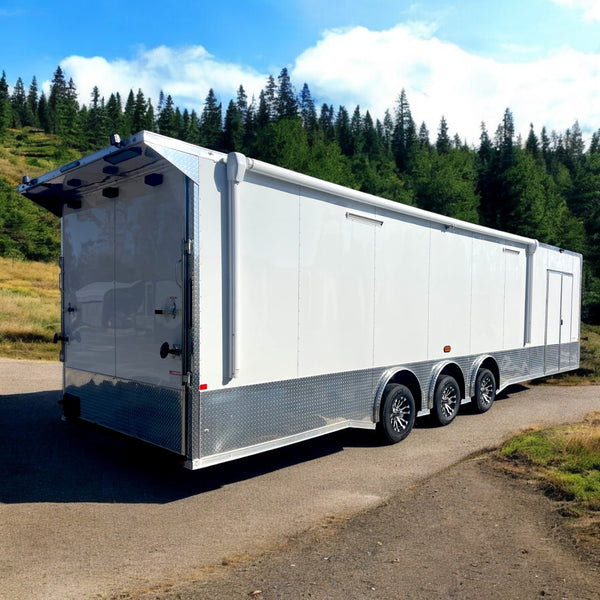
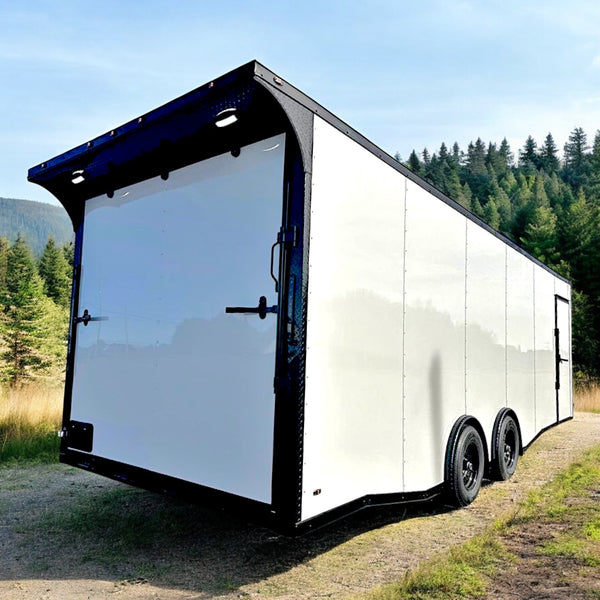
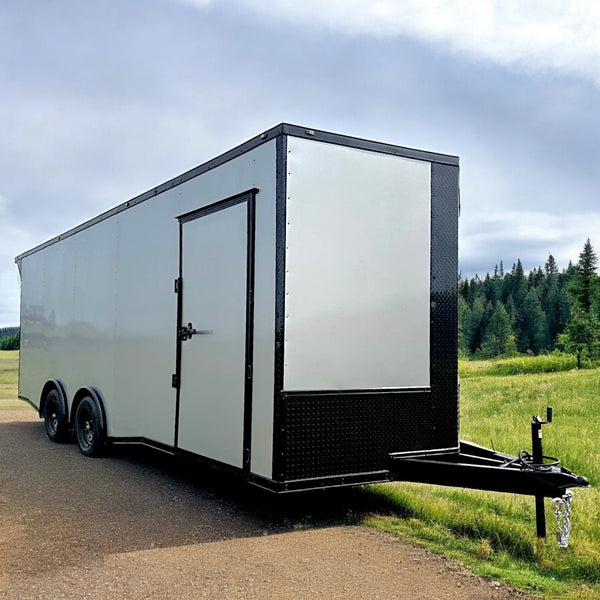
Financing and ownership for a custom enclosed trailer involve more than choosing a monthly payment. We also need to consider the total borrowing cost, insurance, warranty coverage, registration, maintenance, business use, and future resale value.
At Backyard Escapism, we believe a clear ownership plan should support the way the trailer will actually be used. Careful planning can help buyers avoid unnecessary costs and choose a trailer that remains practical for years. Keep reading to understand the main financial and ownership decisions before moving forward.
What Should Buyers Know About Financing and Ownership?
Financing and ownership become easier to manage when we understand the full commitment before comparing lenders, payment plans, or trailer upgrades.
-
The lowest monthly payment is not always the lowest total cost because loan length, APR, fees, and down payment also matter.
-
Ownership costs may include insurance, registration, maintenance, storage, repairs, warranty requirements, and changes in towing expenses.
-
The right financing plan should fit the buyer’s budget while leaving enough room for safe towing, maintenance, and normal business or household expenses.
Why Does Financing and Ownership Planning Matter?
A custom enclosed trailer can support business work, vehicle transport, outdoor activities, mobile storage, or serious hobbies. However, the purchase price is only one part of the decision.
The full cost may continue after delivery. Owners may need to budget for insurance, registration, tires, brakes, bearings, storage, maintenance, repairs, and towing fuel. A heavily customized build may also have different resale considerations than a simple standard trailer.
Before choosing a payment plan, buyers should first determine whether a custom enclosed trailer is the right solution for their long-term hauling needs.
Our Custom Enclosed Trailers page explains how different trailer configurations, customization options, and intended applications can help buyers select a build that matches their operational requirements.
Financing makes more sense when the trailer supports repeat use and the ownership costs fit comfortably within the buyer's wider budget. It should not turn a useful hauling solution into ongoing financial pressure.
What Are the Main Ways to Finance a Custom Enclosed Trailer?
Buyers may have several ways to pay for a custom trailer. The right approach depends on available cash, credit, business needs, ownership goals, and how quickly the trailer is needed.
The following options represent common financing paths that buyers may consider before choosing a custom build:
-
Cash purchase: Paying in full avoids loan interest, but it also uses funds that may be needed for emergencies, business operations, or trailer accessories.
-
Traditional installment loan: The buyer makes regular payments over an agreed term. Rates, fees, down payments, and approval requirements can vary.
-
Secured financing: The trailer may serve as collateral for the loan. Buyers should understand what happens if payments cannot be maintained.
-
Business equipment financing: A business may finance a trailer as equipment when it supports commercial work, mobile storage, or transportation needs.
-
Lease-to-own arrangement: The buyer makes scheduled payments with the goal of owning the trailer after meeting the agreement’s terms.
-
Trade-in plus financing: An older trailer may reduce the amount that needs to be financed if it has usable trade-in value.
Buyers who want a clearer breakdown of application steps, deposits, lender questions, and payment planning can read how to finance a custom enclosed trailer.
When the trailer specifications are already clear, buyers can also Build Your Ideal Trailer Today and begin matching the build plan with a realistic budget.
How Should Buyers Compare Trailer Loan Offers?

A monthly payment can look affordable while hiding a longer loan term or higher total borrowing cost. Buyers should compare the complete offer rather than focusing on one number.
The Consumer Financial Protection Bureau recommends looking beyond the monthly payment when reviewing financing options:
“When comparing auto loan offers, look at the annual percentage rate, the interest rate, the length of the loan, and the total amount financed.” - Consumer Financial Protection Bureau
Several details should be placed side by side before a buyer signs a financing agreement:
-
Annual percentage rate: APR can provide a broader view of borrowing costs because it accounts for the interest rate and certain fees.
-
Loan term: A longer term may reduce the monthly payment but can increase the total interest paid.
-
Down payment: A larger down payment may reduce the financed balance, but it should not remove all available emergency funds.
-
Total amount financed: Buyers should confirm which taxes, fees, accessories, and services are included in the financed amount.
-
Prepayment terms: The agreement should explain whether early payoff creates any additional cost.
-
Late-payment terms: Buyers should understand late fees, grace periods, and possible consequences before signing.
-
Required insurance: Some lenders may require certain coverage while the loan remains active.
Rates can change over time and may depend on credit history, income, debt, loan structure, and other lender requirements. Our breakdown of best loan rates for enclosed trailers explains which terms should be compared beyond the advertised rate.
When Can Lease-to-Own Make Sense?
Credits: Federal Trade Commission
A lease-to-own arrangement may appeal to buyers who want regular payments and a possible ownership path. However, the agreement must be reviewed carefully.
Lease-to-own is not automatically cheaper or easier than a traditional loan. The total cost, payment schedule, early termination rules, ownership transfer terms, maintenance duties, and insurance requirements may differ.
Before selecting this path, buyers should ask several practical questions:
-
Who legally owns the trailer during the agreement?
-
When does ownership transfer to the buyer?
-
Is there a final purchase payment?
-
Who pays for maintenance and repairs?
-
Can the agreement be ended early?
-
What happens after a late or missed payment?
-
Are modifications allowed before ownership transfers?
-
Is insurance included or purchased separately?
A full review of lease to own custom trailer options can help buyers compare this structure with a standard installment loan.
Which Ownership Costs Continue After Delivery?
Trailer ownership includes routine and occasional costs that can continue long after the purchase is complete. Planning for them helps protect both the trailer and the wider household or business budget.
The most common ownership cost areas include the following:
|
Ownership Area |
Possible Cost |
Why It Matters |
|
Insurance |
Premiums and deductibles |
Helps manage covered risks and lender requirements |
|
Registration |
Initial and renewal fees |
Requirements vary by location and trailer type |
|
Maintenance |
Tires, brakes, bearings, lights, and seals |
Supports safe and reliable use |
|
Storage |
Home, yard, or paid storage |
Protects the trailer when it is not being used |
|
Towing |
Fuel, hitch equipment, and wear |
Larger loads may increase operating costs |
|
Repairs |
Parts and labor |
Unexpected damage can affect the ownership budget |
|
Security |
Locks, trackers, and secure parking |
Helps protect the trailer and its cargo |
|
Modifications |
Shelving, electrical systems, or accessories |
Changes should support real use and payload limits |
A buyer who budgets only for the monthly payment may be unprepared for these continuing expenses. A better ownership plan includes a maintenance reserve and enough financial room to handle normal repairs.
Why Should Trailer Insurance Be Planned Early?

Insurance should be discussed before delivery rather than after the trailer is already in use. Coverage needs may change based on the trailer’s value, cargo, financing status, storage location, and personal or commercial use.
A personal trailer used for occasional recreation may have different coverage needs from a trailer carrying business tools, vehicles, inventory, or customer property. Buyers should explain the real use clearly when requesting insurance information.
Important questions may include:
-
Is physical damage to the trailer covered?
-
Are theft, weather, fire, and vandalism included?
-
Is cargo or equipment inside the trailer covered?
-
Does the tow vehicle policy extend to the trailer?
-
Is separate commercial coverage needed?
-
What deductible applies?
-
Are there storage or security requirements?
-
Are custom upgrades included in the insured value?
Because coverage and legal requirements vary, buyers should speak directly with a qualified insurance professional. Our trailer insurance requirements guide provides a clearer list of questions to ask before the trailer is placed into service.
Why Does Warranty Coverage Matter During Ownership?
Warranty coverage can affect repair expectations, maintenance records, and long-term ownership confidence. Buyers should review the written terms before completing the purchase.
“Whenever there’s a warranty, the law says it must be available for you to read before you buy.” - Federal Trade Commission
Warranty length alone does not show the full value of the coverage. Buyers should also check which parts are included, which situations are excluded, and which maintenance steps are required.
A useful warranty review should cover several areas:
-
Structural coverage
-
Axles, brakes, and suspension
-
Doors, ramps, and latches
-
Electrical systems
-
Flooring and interior components
-
Exterior finish and seals
-
Labor and transportation costs
-
Transferability to a future owner
-
Claim procedures and required documents
Our article about understanding trailer warranty coverage explains how to read exclusions, service responsibilities, and ownership requirements more carefully.
Owners should keep the purchase agreement, build sheet, receipts, warranty documents, maintenance records, photographs, and repair invoices together. These records can make service requests easier and may support future resale.
How Can Taxes Affect Commercial Trailer Ownership?
A trailer used for business may have tax and accounting considerations. The correct treatment depends on how the trailer is purchased, financed, used, recorded, and later sold.
Eligibility, calculation methods, and recordkeeping requirements depend on the buyer’s situation. Business buyers should discuss these details with a qualified tax professional. However, eligibility and calculation rules depend on the buyer’s situation.
Business buyers may need to discuss:
-
Whether the trailer is a business asset
-
The percentage of business and personal use
-
Depreciation and possible deductions
-
Interest and financing records
-
Registration and licensing costs
-
Repairs, maintenance, and operating expenses
-
Recordkeeping requirements
-
The tax effect of selling or trading the trailer
Our overview of the tax implications of commercial trailers can help buyers prepare questions for a qualified tax professional.
This article is not financial, legal, insurance, or tax advice. Buyers should consult qualified professionals for recommendations based on their location, business structure, and individual circumstances.
Where Should Buyers Look for a Trailer Dealer?
A nearby dealer can make inspections, communication, delivery, service, and future support easier. However, location should not be the only factor.
Buyers should also review whether the dealer can explain build specifications, weight limits, payment terms, warranty coverage, production timing, service access, and ownership documents clearly.
Before choosing a dealer, buyers should confirm:
-
The exact trailer specifications
-
Estimated completion or delivery timing
-
Payment and deposit requirements
-
Written warranty details
-
VIN and ownership documentation
-
Service and repair procedures
-
Change-order rules
-
Cancellation terms
-
Delivery or pickup arrangements
Buyers can use where to find local trailer dealers to organize the search and compare practical support instead of relying only on distance.
How Can an Old Trailer Affect the New Purchase?
An existing trailer may help reduce the cash or financing needed for a new build. Its value can depend on age, condition, title status, maintenance history, tires, brakes, structure, modifications, and local demand.
Before accepting a trade-in figure, owners should collect useful information about the old trailer:
-
Clear exterior and interior photographs
-
VIN and title information
-
Original specifications
-
Maintenance and repair records
-
Tire and brake condition
-
Known structural or electrical problems
-
List of useful upgrades
-
Comparable local listings
The trade-in value for old enclosed trailer article explains how condition and documentation may affect the estimate.
Owners should compare the convenience of a trade-in with the possible return from a private sale. A higher sale price may require more time, advertising, communication, and paperwork.
What Should Buyers Check Before Signing?

The final review should bring the build, financing, insurance, warranty, and ownership documents together. Buyers should not rely only on verbal statements.
These questions can help confirm whether the full plan is ready:
-
Does the trailer fit the intended cargo and towing vehicle?
-
Is the purchase price written clearly?
-
Are all upgrades and accessories listed?
-
What amount is being financed?
-
What are the APR, term, payment, and total borrowing cost?
-
Are there additional fees or final payments?
-
When does legal ownership transfer?
-
What insurance must be active before delivery?
-
What does the warranty cover and exclude?
-
Who handles registration and title documents?
-
What maintenance is required?
-
Can the trailer be modified during the loan or lease?
-
What happens after a late payment?
-
Are cancellation and deposit terms written clearly?
-
Are delivery timing and change-order rules confirmed?
The final step before buying custom trailer provides a focused pre-purchase review before money, documents, and delivery plans are finalized.
What Are Common Financing and Ownership Questions?
Can a custom enclosed trailer be financed?
Financing may be available through different lenders or payment arrangements. Approval, rates, terms, deposits, and required documents depend on the buyer and financing provider.
Is a low monthly payment always better?
No. A low monthly payment may result from a longer term, which can increase the total amount of interest paid. Buyers should compare the full cost.
Does a financed trailer need insurance?
A lender may require insurance while the loan remains active. Buyers should confirm the required coverage directly with the lender and insurance provider.
Is lease-to-own the same as financing?
Not always. Ownership, maintenance duties, early termination rules, and final payments may differ. Buyers should read the full agreement before signing.
Can a business deduct the cost of a trailer?
Tax treatment depends on business use and other circumstances. A qualified tax professional should review depreciation, deductions, records, and possible tax consequences.
How Can Buyers Build a Better Financing and Ownership Plan?
A good financing and ownership plan connects the trailer’s real use with an affordable payment structure, clear insurance, written warranty terms, proper records, and realistic continuing costs.
The best plan is not simply the one with the smallest payment. It is the one that allows the trailer to remain useful, maintainable, and financially comfortable throughout ownership.
Buyers can view a finished premium hauling example at Backyard Escapism.
When the cargo, access, storage, and budget are clear, Get Your Custom Trailer Quote to begin planning a build around those needs.
References
-
https://www.consumerfinance.gov/ask-cfpb/how-do-i-compare-auto-loan-offers-what-should-i-look-at-besides-the-monthly-payment-en-753/
-
https://consumer.ftc.gov/articles/warranties