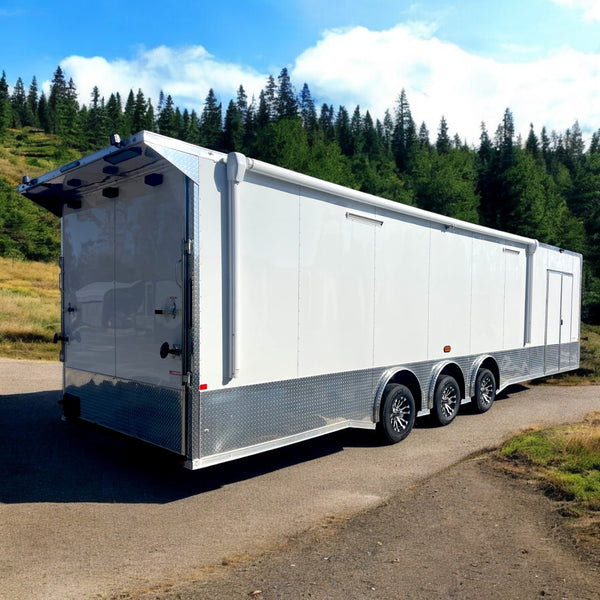
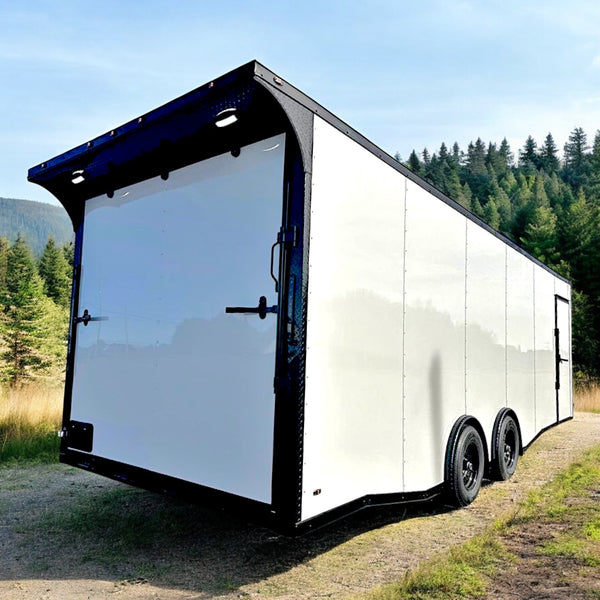
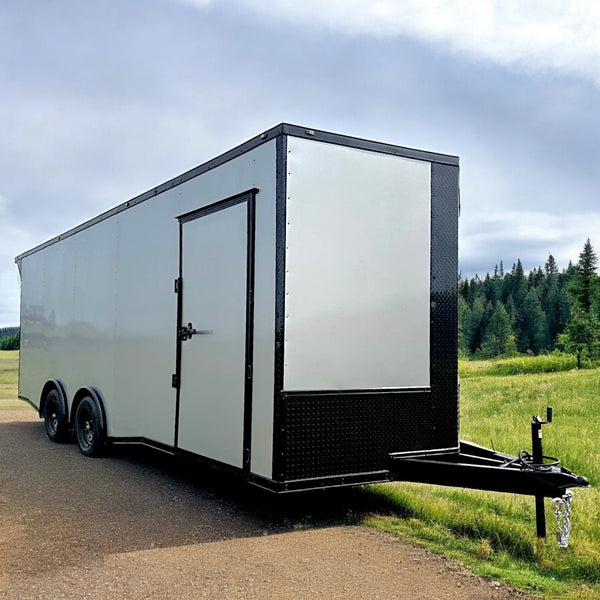
Lease to own custom trailer options allow us to get a custom-built trailer through monthly payments instead of paying the full purchase price upfront.
These programs can be used for enclosed trailers, cargo trailers, and other custom builds, with terms that vary by agreement. Understanding the costs, approval requirements, and ownership conditions can help us choose the right option for our needs.
If we are exploring custom trailer solutions, Backyard Escapism offers a range of quality trailer options worth considering. Keep reading to learn how lease-to-own programs work and what to evaluate before signing an agreement.
Why Do Lease-to-Own Custom Trailer Programs Matter?
Understanding the basics of lease-to-own trailer programs can help us evaluate whether this type of ownership plan fits our budget and long-term needs.
-
Lease-to-own programs allow us to use a custom trailer immediately while making monthly payments toward ownership.
-
Many custom trailer types, including enclosed and cargo trailers, may be available through lease-to-own arrangements.
-
Payment terms, approval requirements, buyout options, and ownership transfer conditions should be reviewed carefully before signing an agreement.
What Is a Lease to Own Custom Trailer Program?
A lease-to-own custom trailer program provides a way to acquire a custom-built trailer through scheduled payments instead of a large upfront purchase. The trailer remains available for use throughout the agreement period, and ownership is typically transferred once all contract requirements have been met.
“A trailer is an unpowered vehicle towed by a powered vehicle.” - Wikipedia: Trailer (vehicle)
This type of arrangement is commonly used by homeowners, contractors, small businesses, and outdoor enthusiasts seeking a more manageable path to trailer ownership. Lease-to-own programs are available for a variety of trailer types, including enclosed trailers, cargo trailers, and specialized custom builds.
How Does Lease-to-Own Work for Custom Trailers?
The process usually begins with selecting a trailer design and completing an application. After approval, a lease agreement is signed, and monthly payments begin according to the terms of the contract. Ownership is generally transferred after all required payments and obligations have been satisfied.
Understanding the typical process can help buyers prepare for a lease-to-own arrangement and avoid surprises later.
-
Select the trailer design and specifications.
-
Complete the application and approval process.
-
Review and sign the lease agreement.
-
Make scheduled monthly payments.
-
Complete ownership transfer requirements at the end of the term.
How Does Lease-to-Own Compare to Traditional Trailer Financing?
Both lease-to-own programs and traditional trailer financing can lead to ownership, but the structures are different. Traditional financing usually involves a loan used to purchase the trailer immediately, while lease-to-own agreements spread the cost through scheduled payments over time.
The most suitable option often depends on factors such as budget, cash flow, approval requirements, and long-term ownership goals.
Learning more about Financing and Ownership can help clarify the differences between lease-to-own agreements and traditional trailer financing before making a decision.
Who Benefits Most from Trailer Lease Purchase Programs?
Lease-purchase programs appeal to buyers looking for flexibility when acquiring a custom trailer. Rather than making a large upfront investment, costs are distributed across a series of scheduled payments.
Several groups commonly use lease-to-own trailer arrangements because of their practical ownership structure.
-
Contractors transporting tools and equipment.
-
Small businesses expanding operations.
-
Property owners managing maintenance projects.
-
Outdoor enthusiasts hauling recreational gear.
-
Buyers seeking customized trailer solutions.
Why Leasing Equipment Is Common in Business Use?
SBA explains that businesses often choose leasing because it can reduce upfront costs and improve flexibility in accessing equipment:
"Leasing can be a good option if you need to quickly get a lot of equipment, or if the equipment you need is very expensive." - U.S. Small Business Administration
This perspective helps explain why lease-to-own arrangements are widely used in industries that rely on high-cost equipment, including custom trailers.
Instead of committing to a large upfront investment, businesses can allocate cash flow toward operations while still gaining immediate access to the equipment they need.
However, while leasing improves short-term affordability and access, it also introduces an important financial trade-off that should not be overlooked.
SBA also highlights the trade-offs between leasing and purchasing equipment:
"The lifetime cost is normally higher than buying." - U.S. Small Business Administration
This distinction is especially relevant for lease-to-own trailer programs. Although monthly payments can make ownership more accessible, the total cost over time may exceed the price of an outright purchase or traditional financing.
As a result, the decision often comes down to balancing immediate cash flow needs with long-term financial efficiency.
What Types of Custom Trailers Can Be Leased to Own?

Lease-to-own programs are available for many trailer styles designed for transportation, storage, and commercial use. Available options vary by provider, trailer specifications, and customization requirements.
What Enclosed Trailer Lease-to-Own Options Are Available?
Enclosed trailers are a popular choice because they provide protection from weather, road debris, and theft. These trailers are commonly used to transport tools, equipment, vehicles, and recreational items that require additional security during transport.
Several enclosed trailer configurations are frequently available through lease-to-own programs.
-
Single-axle enclosed trailers.
-
Tandem-axle enclosed trailers.
-
Utility enclosed trailers.
-
Specialty custom enclosed trailers.
What Cargo Trailer Lease-to-Own Solutions Are Available?
Cargo trailers are designed to transport supplies, materials, tools, and equipment. Many businesses rely on cargo trailers to support daily operations and improve transportation efficiency.
Customization options often allow cargo trailers to be adapted for specific industries and operational needs.
-
Equipment transportation.
-
Landscaping operations.
-
Mobile service businesses.
-
Delivery and logistics support.
How Do Build-to-Order Custom Trailer Programs Work?
Build-to-order trailer programs allow customization before construction begins. Buyers may be able to select dimensions, storage layouts, shelving systems, equipment racks, and other features based on intended use.
This approach can help ensure that the finished trailer matches operational requirements without requiring extensive modifications after delivery.
Why Do Businesses Use Commercial and Contractor Trailer Leasing?
Commercial and contractor trailers often serve as mobile storage and transportation solutions for equipment, tools, and supplies. Lease-to-own arrangements can help businesses obtain specialized trailers while spreading costs over time.
Many commercial trailers include features designed to improve organization and productivity in daily operations.
-
Tool storage systems.
-
Equipment racks.
-
Interior shelving.
-
Secure cargo management systems.
What Features Should Be Considered in a Custom Trailer Lease Program?

Custom trailer lease programs often include a range of payment structures and contract options designed to accommodate different budgets and ownership goals. Understanding these features can make it easier to compare programs and determine which arrangement best fits a particular situation.
How Do Flexible Monthly Trailer Payments Work?
Monthly payments can vary based on the trailer price, lease term, down payment amount, and other contract details. Some programs offer more flexibility than others, making it important to review payment schedules carefully before signing an agreement.
A clear understanding of payment terms can help with budgeting and long-term financial planning.
-
Fixed monthly payments.
-
Seasonal payment arrangements.
-
Deferred payment options.
-
Customized payment schedules.
Are Low Down Payment or No Money Down Trailer Options Available?
Some lease-to-own programs offer reduced upfront costs, which may make it easier to begin the ownership process. The amount required at signing depends on the provider, the trailer value, and approval criteria.
Although lower upfront costs can improve short-term affordability, it is important to understand how those costs may affect future monthly payments.
-
Reduced initial expenses.
-
Improved cash flow management.
-
Faster access to equipment.
-
Different payment structures based on agreement terms.
How Do Soft Credit Pull and Alternative Approval Programs Work?
Approval requirements vary between lease providers. Some programs may use a soft credit inquiry during the initial review process, while others may evaluate additional factors such as income, business revenue, or payment history.
These alternative review methods can provide additional pathways for applicants who may not meet traditional financing requirements.
What Is an Early Buyout Option and Why Does It Matter?
Some lease agreements include an early buyout option that allows ownership before the scheduled end of the contract. This feature may be useful when financial circumstances change or when faster ownership becomes a priority.
Reviewing buyout terms in advance can help clarify potential costs, eligibility requirements, and timing restrictions.
What Trailer Financing Options Exist Beyond Traditional Loans?
Lease-to-own programs represent one approach to trailer ownership, but other financing methods may also be available. Understanding these options can help buyers compare costs, flexibility, and ownership timelines.
What Is Direct Trailer Financing?
Direct trailer financing involves obtaining funding specifically for a trailer purchase through a financing provider. Payments are typically made according to a structured schedule until the balance has been satisfied.
Comparing financing terms carefully can help identify differences in payment obligations, approval requirements, and overall costs.
What Are the Most Common Trailer Loan Alternatives?
Not every buyer chooses a traditional loan. Alternative financing methods may offer different structures that better align with specific financial situations or ownership objectives.
Several alternatives are commonly considered during the trailer purchasing process.
-
Lease-to-own agreements.
-
Equipment leasing arrangements.
-
Installment payment plans.
-
Commercial financing programs.
How Does Custom Cargo Trailer Financing Work?
Custom cargo trailers often include additional features that increase the overall purchase price. Financing programs may cover both the trailer itself and selected upgrades included in the build.
Depending on the project, financing may extend to custom storage systems, electrical upgrades, specialized workspaces, and other functional additions.
For buyers looking to understand payment strategies and funding structures in more detail, it is important to review guides such as How to finance a custom enclosed trailer, especially when comparing lease-to-own programs with traditional financing options.
How Do Different Trailer Financing Structures Compare?
Financing structures can affect approval requirements, ownership timelines, monthly obligations, and total costs. Understanding these differences can help buyers evaluate available options more effectively.
What Is the Difference Between Secured and Unsecured Financing?
Secured financing uses collateral, which is often the trailer itself. Unsecured financing does not require collateral but may involve different approval standards and borrowing conditions.
Understanding the distinction between these financing structures can help buyers make more informed decisions.
Several key differences separate secured and unsecured financing arrangements.
-
Secured financing typically requires collateral.
-
Unsecured financing generally does not require collateral.
-
Approval requirements may vary.
-
Risk levels differ between financing structures.
Why Should a Lease APR Comparison Be Reviewed?
Monthly payment amounts provide useful information, but they do not always reveal the full cost of financing. Reviewing lease APR information can provide a clearer picture of borrowing costs over the life of an agreement.
Buyers who are comparing financing options for enclosed trailers are often advised to also look at Best loan rates for enclosed trailers to better understand how interest rates and loan structures can impact total long-term costs.
Comparing financing costs carefully can help prevent unexpected expenses and support better financial planning.
APR Impact on Total Trailer Financing Cost
|
APR Level |
Monthly Payment Impact |
Total Interest Paid |
Long-Term Cost Outcome |
|
Low APR (4–6%) |
Lower monthly payments |
Lower total interest |
More cost-efficient |
|
Medium APR (7–10%) |
Moderate payments |
Moderate interest |
Balanced cost structure |
|
High APR (11–15%+) |
Higher payments |
High interest cost |
Expensive long-term financing |
How Does Equipment Financing Help With Specialized Trailer Builds?
Many custom trailers are used as business equipment in industries such as construction, landscaping, transportation, and field services. Equipment financing may help cover both the trailer and certain custom features included in the build.
Specialized additions can improve functionality and support daily operations.
-
Interior storage systems.
-
Equipment racks.
-
Electrical upgrades.
-
Specialized workstations.
-
Industry-specific accessories.
What Should Be Reviewed in a Trailer Lease Agreement?
A trailer lease agreement outlines the responsibilities, rights, and obligations associated with a lease-to-own arrangement. Understanding the details of the contract before signing can help prevent confusion and provide a clearer picture of the ownership process.
What Terms Are Most Important in a Trailer Lease Contract?
Every lease agreement contains terms that affect payments, ownership, and ongoing responsibilities. Careful review of these details can help buyers understand what is expected throughout the agreement period.
Several contract elements deserve close attention before any commitment is made.
-
Monthly payment obligations.
-
Contract duration.
-
Maintenance responsibilities.
-
Insurance requirements.
-
Ownership transfer conditions.
How Does Ownership Transfer and Title Transfer Work?
Ownership transfer generally occurs after all required payments and contract obligations have been completed. At that point, title transfer procedures are typically completed according to applicable regulations.
The exact process may vary depending on the agreement and local requirements. Reviewing ownership transfer procedures early can help avoid delays when the lease term ends.
Which Lease-to-Own Contract Clauses Deserve Special Attention?
Certain contract clauses can have a significant impact on flexibility, costs, and ownership rights. Understanding these provisions before signing can reduce the risk of unexpected obligations later.
Several areas deserve special attention during contract review.
-
Early buyout terms.
-
Late payment policies.
-
Default provisions.
-
End-of-term obligations.
What Insurance, Registration, and Ownership Requirements Apply to Trailers?
Owning a trailer involves more than making monthly payments. Insurance, registration, and title requirements are important parts of the ownership process and should be considered when evaluating total costs.
How Much Do Trailer Insurance Costs Typically Add?
Trailer insurance costs vary depending on factors such as trailer value, intended use, location, and coverage selections. Commercial trailers may require different coverage levels than trailers used primarily for recreation.
Including insurance costs in the overall budget can provide a more accurate picture of long-term ownership expenses.
Several factors commonly influence trailer insurance premiums.
-
Trailer replacement value.
-
Intended use.
-
Geographic location.
-
Coverage limits.
-
Claims history.
What Are Common Trailer Registration Requirements?
Most trailers must be registered before being operated on public roads. Registration requirements vary by state and trailer classification, but the process generally involves documentation and fees.
Preparing the necessary documents ahead of time can help simplify registration and avoid unnecessary delays.
Common registration requirements often include the following items.
-
Proof of ownership or lease agreement.
-
Trailer identification information.
-
Registration application forms.
-
Applicable registration fees.
-
Proof of insurance when required.
How Do State Title Regulations Affect Ownership Transfer?
State title regulations determine how ownership records are transferred after a lease-to-own agreement has been completed. Requirements can differ significantly between jurisdictions.
Understanding local title regulations before entering an agreement can help ensure a smoother ownership transfer process at the end of the contract.
What Credit Requirements Apply to Lease-to-Own Trailer Programs?
Approval standards vary between providers and financing programs. Some lease-to-own arrangements have more flexible requirements than traditional financing, while others may require additional documentation.
Can Trailer Financing Be Obtained With Bad Credit?
Some applicants seek trailer financing after experiencing credit challenges or limited borrowing history. Approval decisions often consider multiple factors rather than relying solely on a credit score.
Program requirements vary, making it important to review eligibility standards before applying.
Can Applicants With Fair Credit Qualify?
Fair credit applicants may qualify for lease-to-own opportunities depending on the provider's approval criteria. Factors such as income, employment history, business revenue, and payment history may also play a role in the review process.
Understanding approval requirements in advance can help applicants prepare stronger applications.
What Do Business Trailer Leasing Providers Review During Approval?
Business-related applications often require additional information to verify operational stability and repayment capacity. Preparing documentation beforehand can help streamline the review process.
Several items are commonly requested during business application reviews.
-
Business revenue information.
-
Time in operation.
-
Identification documents.
-
Business registration records.
What Tax and Warranty Considerations Should Be Understood?
Tax obligations and warranty coverage can influence the long-term value of a lease-to-own arrangement. Reviewing these areas before signing an agreement can help buyers understand potential responsibilities after delivery.
Understanding Tax implications of commercial trailers is especially important for business owners, since the way payments, deductions, and ownership costs are treated can vary depending on business structure and applicable regulations.
What Tax Implications Can Affect Businesses Using Lease-to-Own Trailers?
Business use may create tax considerations that differ from personal ownership. Understanding tax implications of commercial trailers is especially important for business owners, since the way payments, deductions, and ownership costs are treated can vary depending on business structure and applicable regulations.
Several areas are commonly reviewed when evaluating tax implications.
-
Lease payment treatment.
-
Equipment deductions.
-
Depreciation considerations.
-
Sales tax obligations.
-
Ownership transfer costs.
What Does Trailer Warranty Coverage Usually Include?
Warranty coverage can provide protection against certain manufacturing defects and covered component issues. Coverage terms vary depending on the trailer and warranty provider.
Reviewing warranty details before signing an agreement can help establish realistic expectations regarding future maintenance responsibilities.
For buyers who want to understand this in more depth, it is important to read Understanding trailer warranty coverage before committing to a lease-to-own agreement.
Several warranty elements deserve careful consideration.
-
Coverage duration.
-
Structural protection.
-
Component coverage.
-
Maintenance requirements.
-
Warranty transfer conditions.
How Much Does a Lease-to-Own Custom Trailer Cost?
The cost of a lease-to-own custom trailer depends on several factors, including trailer type, customization level, contract length, and payment structure. Instead of a single fixed price, most agreements spread the total cost into monthly payments over time.
Understanding how pricing is calculated can help buyers plan budgets more accurately and avoid unexpected expenses during the lease period.
What Factors Affect Monthly Trailer Payments?
Monthly payments are influenced by both the trailer itself and the structure of the agreement. A higher level of customization or a longer contract term will usually affect the total payment amount.
Several key factors are commonly used to determine monthly costs.
-
Trailer purchase price.
-
Lease term length.
-
Down payment amount.
-
Ownership structure.
-
Contract conditions.
What Custom Trailer Setup and Upfit Costs Should Be Expected?
Custom trailers often include additional features that increase overall project costs. These upgrades are usually selected based on intended use, whether for personal transport or business operations.
Planning for these features early helps create a more accurate total budget.
-
Interior storage systems.
-
Electrical upgrades.
-
Lighting packages.
-
Equipment mounting systems.
How Much Does a Custom Enclosed Trailer Typically Cost?
Enclosed trailer pricing varies based on size, materials, and customization level. A basic build will generally cost less, while advanced configurations with specialized features will increase the overall price.
Understanding these differences helps set realistic expectations before selecting a trailer design.
How Do Short-Term and Long-Term Trailer Lease Terms Compare?
Lease terms play a major role in determining monthly payments, total cost, and flexibility. Shorter and longer agreements each offer different advantages depending on financial goals and usage needs.
What Are the Benefits of Short-Term Trailer Leasing?
Short-term lease arrangements are often chosen by buyers who prefer faster ownership or more flexibility in upgrading equipment.
Several benefits are commonly associated with shorter lease terms.
-
Faster ownership transfer.
-
Reduced contract duration.
-
Greater flexibility for upgrades.
-
Easier long-term planning.
What Are the Benefits of Long-Term Lease-to-Own Agreements?
Long-term agreements typically spread payments across a longer period, which can help reduce monthly financial pressure.
This structure is often used when stability and predictable budgeting are more important than speed of ownership.
How Can the Right Lease Term Be Selected?
Choosing the right lease term depends on financial capacity, usage needs, and long-term plans. A well-matched contract length can help maintain balance between affordability and ownership goals.
Several factors are usually considered during this decision.
-
Monthly budget capacity.
-
Business cash flow.
-
Equipment lifespan.
-
Future expansion plans.
What Is the Total Cost of Ownership for a Lease-to-Own Trailer?
Total cost of ownership includes more than just monthly payments. It also involves maintenance, insurance, depreciation, and other long-term expenses that come with owning a trailer.
Understanding these costs provides a clearer picture of long-term affordability.
How Does Trailer Depreciation Affect Long-Term Value?
Trailer depreciation refers to the gradual reduction in value over time. The rate of depreciation depends on build quality, usage, maintenance, and market demand.
While depreciation is a natural part of ownership, proper care can help maintain better long-term value.
Several factors influence how quickly a trailer may lose value.
-
Construction quality.
-
Frequency of use.
-
Maintenance history.
-
Storage conditions.
-
Market demand.
Why Does Trailer Resale Value Matter?
Resale value becomes important when upgrading or selling a trailer in the future. A well-maintained trailer with useful features may retain more value over time.
Customization choices and condition often play a major role in resale potential.
How Should Maintenance Budgeting Be Planned?
Maintenance costs are an important part of long-term ownership. Regular care helps reduce repair risks and extends trailer lifespan.
Planning a maintenance budget early can help avoid unexpected expenses later.
Common maintenance needs include:
-
Tire replacement.
-
Brake service.
-
Bearing inspections.
-
Electrical repairs.
-
Roof seal maintenance.
-
Suspension inspections.
How to Choose the Best Lease-to-Own Custom Trailer Provider?
Credit: PolkaDotFarms
Choosing a lease-to-own provider is an important step because contract terms, service quality, and ownership conditions can vary. A careful review of available options helps ensure the agreement matches both budget and usage needs.
A reliable provider should offer clear terms, transparent communication, and a straightforward ownership process from start to finish.
What Should Be Considered When Evaluating Trailer Leasing Companies?
Different providers may offer different program structures, payment options, and levels of support. Comparing these details can help identify the most suitable arrangement.
Several key factors are commonly reviewed during the selection process.
-
Contract transparency.
-
Customer support availability.
-
Ownership transfer procedures.
-
Payment flexibility.
How Should Trailer Lender Options Be Compared?
Lender structures can affect approval requirements, payment schedules, and total cost over time. Even small differences in terms may have a long-term impact on affordability.
Careful comparison helps ensure the chosen option aligns with financial goals and long-term plans.
What Questions Should Be Asked Before Signing an Agreement?
Asking clear questions before signing a lease-to-own agreement can help avoid misunderstandings later. It also provides clarity on responsibilities and costs throughout the contract period.
Important questions often include the following:
-
Early buyout availability.
-
Prepayment penalties.
-
End-of-term conditions.
-
Fees related to ownership transfer.
How Does the Lease-to-Own Trailer Application Process Work?

The application process for lease-to-own trailers is generally structured and includes several review stages. Understanding these steps can help applicants prepare required documents in advance.
What Is Required for a Trailer Lease Application?
Most applications require basic personal or business information along with trailer specifications. Preparing documentation early can help reduce delays during the approval process.
Commonly required items include:
-
Personal identification.
-
Business information (if applicable).
-
Trailer specifications.
-
Financial documentation.
How Long Does Approval and Funding Usually Take?
Approval timelines can vary depending on application complexity and documentation completeness. Some applications may be processed quickly, while others require additional review time.
Clear and complete documentation often helps streamline the approval process.
How Can Preparation Help Improve Approval Speed?
Preparation plays an important role in reducing delays. Ensuring that all required documents are accurate and ready can improve efficiency during review.
Helpful preparation steps include:
-
Verifying information accuracy.
-
Gathering supporting documents.
-
Reviewing budget requirements.
-
Confirming trailer specifications.
FAQ
What is a lease-to-own custom trailer program?
A lease-to-own custom trailer program is a financing option that allows buyers to use a custom-built trailer immediately while making scheduled monthly payments. Ownership is transferred after all contract terms and payments are completed.
How does the lease-to-own payment process work?
Payments are typically made in fixed monthly installments based on the trailer price, lease term, and down payment. Once all payments are completed, ownership of the trailer is transferred to the buyer.
What is the difference between lease-to-own and traditional trailer financing?
Lease-to-own spreads payments over time while allowing immediate use of the trailer, whereas traditional financing involves a loan that purchases the trailer upfront. Both can lead to ownership but differ in structure and approval requirements.
Can I qualify for a lease-to-own trailer with bad or fair credit?
Yes, many lease-to-own programs consider factors beyond credit scores, such as income, business revenue, and payment history. This makes it possible for applicants with fair or challenged credit to qualify.
What costs should I consider in a lease-to-own custom trailer program?
In addition to monthly payments, buyers should consider insurance, maintenance, registration, taxes, and potential interest or fees. These factors contribute to the total cost of ownership.
What Are Lease to Own Custom Trailer Options and Long-Term Ownership Goals?
Lease-to-own custom trailer options provide a practical path to ownership while supporting specific hauling needs. A well-designed trailer can improve efficiency, protect equipment, and deliver long-term reliability. Paying attention to design, costs, and contract terms helps ensure the trailer fits both personal and business goals over time.
For ready-made quality, the 24ft Ultimate Auto & Toy Hauler offers strong durability and performance.
Backyard Escapism
To start a custom build process, explore flexible design options here:
Build Your Ideal Trailer Today
References
1. https://en.wikipedia.org/wiki/Trailer_(vehicle)
2. https://www.sba.gov/business-guide/manage-your-business/buy-assets-equipment
Related Articles
-
https://backyardescapism.com/blogs/the-escapist/how-to-finance-a-custom-enclosed-trailer
-
https://backyardescapism.com/blogs/the-escapist/understanding-trailer-warranty-coverage
-
https://backyardescapism.com/blogs/the-escapist/tax-implications-of-commercial-trailers
-
https://backyardescapism.com/blogs/the-escapist/best-loan-rates-for-enclosed-trailers
- https://backyardescapism.com/blogs/the-escapist/financing-and-ownership/