Powersports Loading Systems Guide for Safe Vehicle Loading

Powersports Loading Systems Guide for Safe Vehicle Loading

Powersports loading systems are tools designed to help us safely load and unload vehicles like ATVs, UTVs, motorcycles, and snowmobiles into trailers or truck beds. 

They reduce physical effort, improve control, and help prevent damage during transport. Without a proper system, loading can become risky and inconsistent, especially with heavier equipment. 

By understanding how these systems work, we can make better decisions for safety and efficiency. 

The right setup depends on vehicle type, weight, and how often we load. Keep reading to learn how to choose and use the right system for our needs.

Powersports Loading Systems Essentials

Before we explore the full guide, here are the three most important points we should understand about powersports loading systems.

  • Proper loading systems improve safety and reduce the chance of injury or damage during transport.

  • Different vehicle types require specific loading solutions to ensure stability and correct weight distribution.

  • Choosing the right system depends on weight capacity, frequency of use, and transport setup.

Overview of Powersports Loading Systems

What Are Powersports Loading Systems?

Powersports loading systems help us move vehicles from the ground onto trailers or truck beds in a safer and more controlled way.

These systems include ramps, lift platforms, and powered equipment. Their main purpose is to reduce manual effort and improve stability during loading. Without the right setup, loading can feel unstable and increase the chance of mistakes.

According to OSHA ramp safety guidelines, these standards exist because they are “designed to prevent worker injuries from falls and structural failures.”

A well-designed system gives us better traction, smoother movement, and more confidence when handling heavier vehicles.

Types of Powersports Vehicles Covered

Different types of powersports vehicles need different loading methods because of their size, weight, and wheel design.

  • ATV loading systems

  • UTV loading systems

  • Motorcycle loading systems

  • Snowmobile loading systems

  • Personal watercraft loading systems

  • Off-road vehicle loading systems

Each type has its own needs. Motorcycles usually require narrow and steady ramps, while UTVs need wider ramps with higher weight capacity. Matching the system to the vehicle helps us load more safely.

Why Proper Loading Systems Matter

Using the right loading system makes a clear difference in safety, control, and overall ease of use.

  • Reduces risk of slipping or tipping

  • Protects vehicle frame and tires

  • Improves loading speed and control

A proper system also helps us keep the vehicle aligned as we load. This is important when dealing with heavier equipment that can shift if not supported correctly.

Workplace safety research highlights how common these risks are. According to the National Institute for Occupational Safety and Health (NIOSH), “workplace injury and death are preventable,” yet millions of workers are still affected by unsafe handling practices each year.

Main Categories of Powersports Loading Systems

Ramp-Based Loading Systems

Ramp systems are the most common option because they are simple, reliable, and easy to use in many situations.

  • Loading ramps overview

  • Trailer loading ramps vs pickup ramps

  • Folding ramps vs portable ramps

Ramps allow us to roll or drive vehicles into place with minimal setup. Many designs can be folded or carried, which makes them practical for everyday use. For example, understanding the Safest way to load ATV in trailer helps us choose ramp angles and materials that reduce risk during use.

Lift and Hydraulic Loading Systems

Lift systems give us a more controlled way to raise vehicles without needing a steep incline.

  • Hydraulic loading systems

  • Deck lift systems

  • Lift-and-load systems

Hydraulic systems use pressure to lift smoothly, which helps reduce strain on our body. Many setups now include options like a Hydraulic lift gate for powersports trailer, which provides a stable platform for heavier vehicles.

Powered and Automated Systems

Powered systems help us load vehicles with less physical effort and more consistent results.

  • Electric loading ramps

  • Self-powered ramps

  • Remote-controlled loading systems

  • Automated ramp systems

These systems are useful when we load often or deal with larger equipment. When comparing options like Spring assist vs electric trailer ramps, we can better understand which system fits our workflow and effort level.

Integrated and In-Bed Systems

Integrated systems are built into the truck or trailer, which makes them easy to use whenever we need them.

  • Truck bed loading systems

  • In-bed loading systems

  • Integrated ramp systems

Because they are built-in, these systems reduce setup time and keep everything organized. This is helpful when we want a simple and ready-to-use setup.

Powersports Trailer Loading Systems

Motorcycleloading into enclosed trailer using ramp door and tie-down systemTrailer Ramp Configurations

Trailer setups can vary based on how we use them and what we are loading.

  • Enclosed trailer loading systems

  • Toy hauler loading systems

  • Utility trailer ramp systems

Enclosed trailers offer more protection from weather and road debris. Open trailers are easier to access and faster for quick loading tasks. For deeper planning, we can review this guide on trailer design.

Trailer Loading Assist Systems

Assist systems help us guide and control the vehicle during loading, especially when extra support is needed.

  • Ramp assist systems

  • Winch-assisted loading systems

  • Tie-down assisted systems

Winches are helpful when a vehicle cannot move on its own. Choosing the Best winch systems for enclosed trailers allows us to load heavier equipment safely and with better control.

Multi-Vehicle Trailer Loading Solutions

When we need to carry more than one vehicle, the setup must be planned carefully to keep everything balanced.

  • Tandem loading ramps

  • Dual-side loading systems

  • Multi-vehicle loading systems

Using Multi-level atv trailer loading systems can help us maximize space while maintaining proper weight distribution.

Pickup Truck and Hitch-Mounted Loading Systems

ATV loading into pickup truck using ramp and hitch-mounted carrier system

Pickup Truck Loading Systems

Pickup trucks are a common choice for loading because they are flexible and easy to use in different settings.

  • Truck bed ramps

  • Low-approach systems

  • High-angle ramp considerations

Lower ramp angles make loading safer, especially for vehicles with low ground clearance. This helps prevent scraping or sudden shifts.

Hitch-Mount and Carrier Systems

Hitch-mounted systems give us another option when we do not want to use a full trailer.

  • Hitch-mounted loading systems

  • Cargo loader adapters

  • Transporter loading solutions

These systems are often used for smaller vehicles and shorter trips. They are compact and easier to store when not in use.

In-Bed and Ceiling-Stow Systems

Space-saving systems help us keep our loading equipment organized and ready at all times.

  • Ceiling-stow ramps

  • Space-saving designs

  • Backhaul-ready systems

Planning proper Trailer loading ramp storage solutions ensures that ramps stay secure and easy to access.

Types of Loading Ramps and Materials

Ramp Design Variations

Different ramp designs are made to solve specific loading challenges and improve ease of use.

  • Arched loading ramps

  • Center-fold ramps

  • Single-fold ramps

  • Expandable ramps

Arched ramps are helpful because they reduce the angle in the middle, which lowers the chance of the vehicle bottoming out.

Material Comparison

The material of a ramp affects how heavy it is, how strong it feels, and how easy it is to handle.

  • Aluminum loading ramps

  • Steel loading ramps

  • Composite materials

When we plan to Buy heavy duty trailer ramp system, material choice becomes important for long-term durability.

Surface and Safety Features

Surface design plays an important role in keeping the vehicle steady during loading.

  • Non-slip surfaces

  • Edge guards

  • Traction patterns

These features help improve grip and reduce the chance of slipping, especially in wet or dusty conditions.

Advanced Features and Technology

Powered Mechanisms

Modern systems include features that make loading smoother and easier to control.

  • Worm-drive loading systems

  • Hydraulic tilt ramps

  • Powered ramp sections

These mechanisms allow us to move vehicles more gradually, which helps avoid sudden shifts or loss of balance.

Control Systems

Control systems make it easier for us to operate loading equipment without standing too close to the vehicle.

  • Remote control operation

  • Hand-pendant systems

  • Smart control integration

Being able to control the system from a distance improves safety and gives us a better view during loading.

Automation and Efficiency

Automation helps simplify the process, especially when we load vehicles often.

  • Automated loading ramps

  • Cordless tool-operated ramps

  • Quick-deploy systems

These features save time and make the process more consistent from one use to the next.

Safety Systems and Best Practices

Built-in Safety Features

Safety features are designed to protect both us and the vehicle during every step of the loading process.

  • Loader safety systems

  • Stability control features

  • Anti-slip mechanisms

These features reduce the chance of accidents and help us maintain better control.

Safe Loading Techniques

Using the right techniques is just as important as having the right equipment.

  • Proper ramp angle setup

  • Vehicle alignment

  • Weight distribution

Learning the Safest way to load ATV in trailer helps us avoid common risks and improve consistency.

Common Mistakes to Avoid

Understanding common mistakes helps us avoid problems before they happen.

  • Overloading ramps

  • Incorrect ramp positioning

  • Poor tie-down practices

These issues can lead to damage or unsafe conditions, especially during transport.

Choosing the Right Powersports Loading System

Key Factors to Consider

Choosing the right system starts with understanding what we need and how we plan to use it. The table below helps us quickly match our needs with the right type of loading system.

Factor

What to Evaluate

Why It Matters

Vehicle Type

ATV, UTV, motorcycle, or snowmobile

Determines ramp width and system design

Weight Capacity

Total vehicle weight

Prevents overloading and safety risks

Frequency of Use

Occasional vs. frequent loading

Impacts durability and system choice

These factors help us narrow down the best options for our situation.

Budget vs Performance

We need to balance cost with long-term performance when selecting a loading system.

  • Entry-level systems

  • Premium systems

  • Maintenance considerations

Understanding Install trailer lift gate cost can help us plan a realistic budget for upgrades.

Compatibility and Fitment

The system must fit our truck or trailer properly to work safely and effectively.

  • Trailer compatibility

  • Truck bed sizing

  • Mounting requirements

Getting expert input through a Powersports trailer dealer consultation can help us avoid fitment issues.

Installation and Setup Guide

Infographic outlining powersports loading systems, vehicle types, ramp options, materials, weight capacity, angles, and safety features.

Basic Installation Steps

Setting up a loading system correctly helps ensure it works safely every time we use it.

  • Ramp setup

  • Mounting systems

  • Safety checks

Taking time to set up properly can prevent issues later.

Professional vs DIY Installation

Some systems are simple to install, while others may require more experience or tools.

  • When to hire professionals

  • Tools required

  • Installation time

More advanced systems, such as Custom motorcycle trailer ramp door systems, may benefit from professional installation.

Maintenance and Care

Regular care helps keep our loading system working properly over time.

  • Routine inspections

  • Cleaning and lubrication

  • Proper storage

Good maintenance reduces wear and helps prevent unexpected problems.

Future Trends in Powersports Loading Systems

Credit: Neo-Dyne Loaders

Emerging Technologies

New technology is making loading systems easier and safer to use.

  • Fully automated systems

  • Smart sensors

  • Assisted loading technology

These features are designed to reduce effort and improve control.

Lightweight and Portable Innovations

There is a growing focus on making loading systems easier to carry and store.

  • Ultra-light ramps

  • Foldable systems

These designs help improve convenience without losing strength.

Sustainability and Materials

Materials are improving to last longer and reduce environmental impact over time.

  • Eco-friendly materials

  • Durable construction designs

This shift supports better long-term use and less waste.

FAQ

Before making a decision, many of us have similar questions about how these systems work in real use. Here are some clear answers.

What is the safest way to load an ATV into a trailer?

The safest method is using a wide, stable ramp with a low angle and non-slip surface. Proper alignment and steady throttle control are also important.

Are hydraulic lift gates better than ramps?

Hydraulic lift gates offer more control and require less physical effort. They are ideal for heavy vehicles but may cost more than standard ramps.

How do we choose the right ramp material?

Aluminum is lighter and easier to handle, while steel provides higher strength. The best choice depends on vehicle weight and how often we load.

Do we need a winch for loading?

A winch is helpful for heavier vehicles or when the vehicle cannot move on its own. It improves safety and control during loading.

Can one system handle multiple vehicles?

Yes, but it depends on design and capacity. Multi-vehicle systems require proper spacing and weight balance to work safely.

Powersports Loading Systems: Final Thoughts and Next Steps

A well-matched loading system gives us a safer, more efficient way to transport vehicles while supporting long-term reliability. When the setup fits our specific needs, it reduces effort, protects equipment, and helps us stay consistent every time we load and unload.

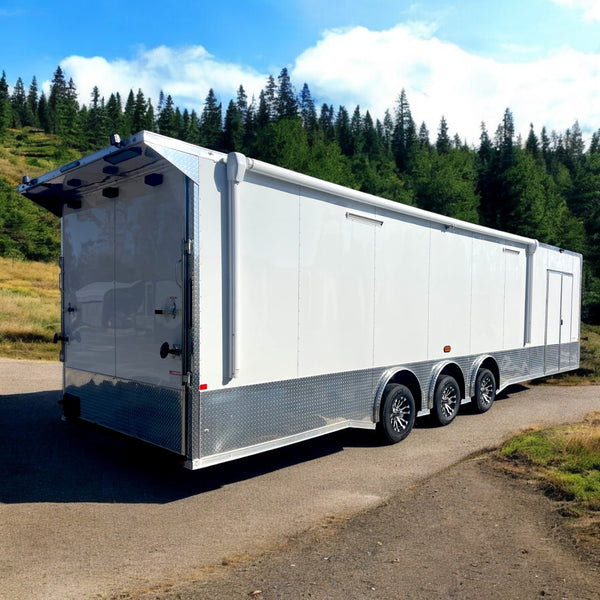
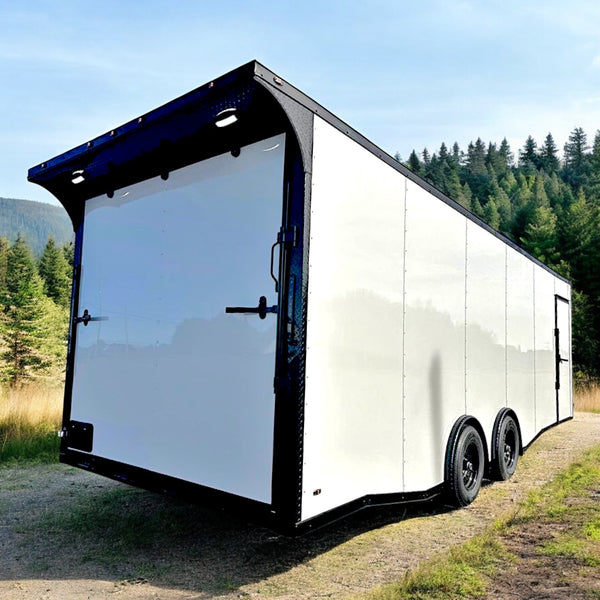
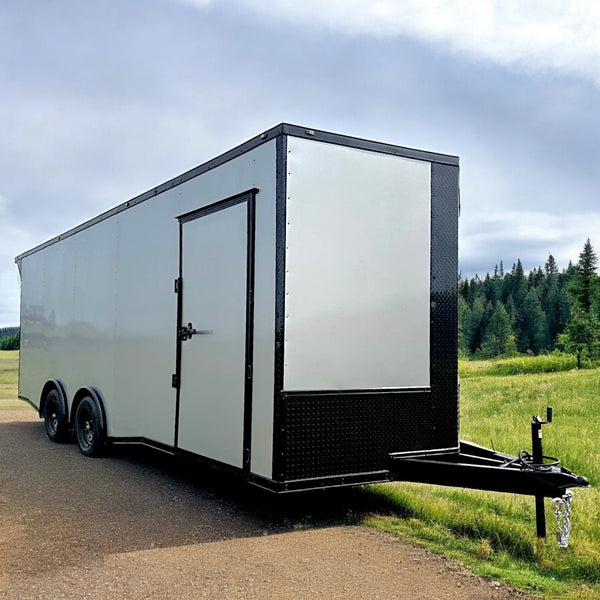
If we want to see a premium example, we can explore the 24ft Ultimate Auto & Toy Hauler from Backyard Escapism. If we are ready to build something tailored to our needs, we can start here: Build Your Ideal Trailer Today.

References

https://legalclarity.org/osha-ramp-requirements-general-industry-and-construction/

https://www.cdc.gov/niosh/bulletin/2016/safety.html

Related Articles

0 comments

Leave a comment