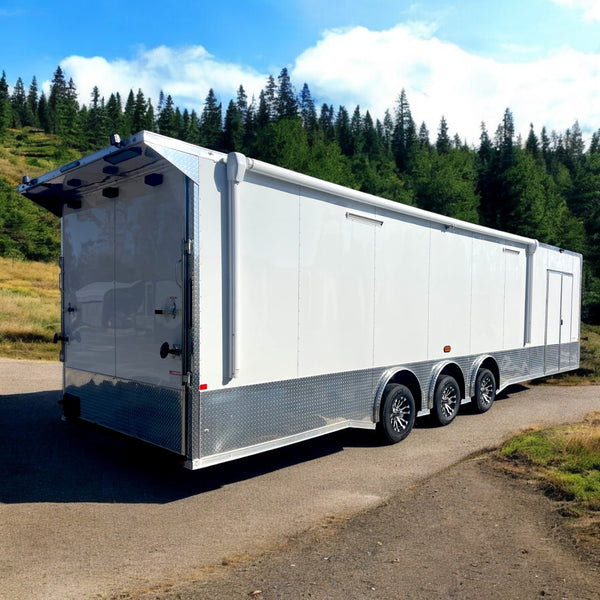
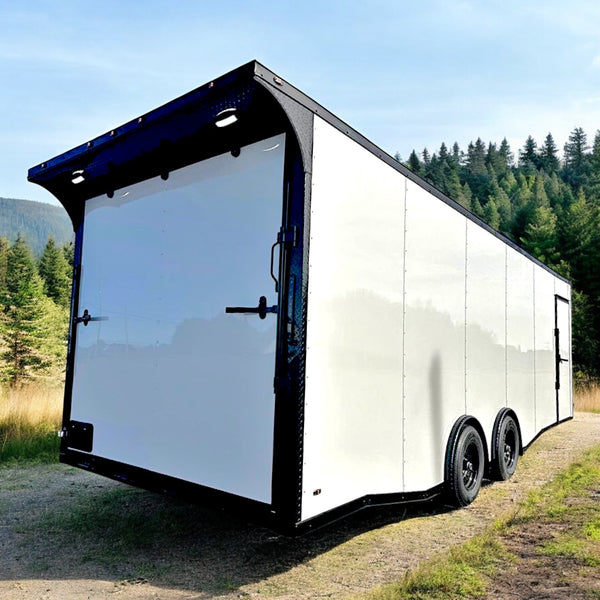
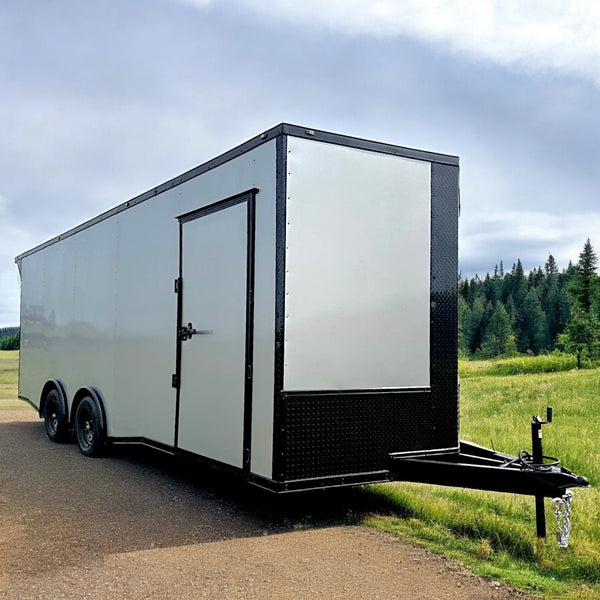
A tandem axle enclosed trailer is better for everyday hauling and lighter loads, while a triple axle trailer is built for heavier cargo with stronger stability and higher capacity. The main difference is axle count, which affects weight distribution, handling, braking, frame strength, suspension, and legal limits.
Tandem axle trailers are generally chosen for easier towing and lower cost, while triple axle trailers are preferred for heavy-duty jobs that require stronger support.
To make the right choice, it is important to look deeper at performance and safety, then explore more durable hauling solutions at Backyard Escapism.
What Should Be Considered When Comparing Tandem vs Triple Axle Trailers?
Key differences can be understood by focusing on how each trailer performs under real towing conditions and how this affects safety and cost.
These points help guide the decision between tandem and triple axle setups.
-
Tandem axle trailers are easier to handle, more affordable, and suitable for medium-duty hauling
-
Triple axle trailers provide higher load capacity, better stability, and stronger braking support
-
Safety depends on proper weight balance, suspension setup, and frame strength rather than axle count alone
How Does a Tandem Axle Enclosed Trailer Work?
What is a Tandem Axle Enclosed Trailer?
A tandem axle enclosed trailer uses two axles placed under the frame to spread weight across four tires. This setup is commonly used for medium-duty hauling because it offers a good balance between stability, cost, and ease of use.
Tandem axle trailers are typically chosen for general hauling needs that do not require extreme load capacity. They are practical for equipment, tools, and recreational cargo.
“Load should be properly balanced and securely fastened to reduce the risk of shifting during transport, which can affect vehicle control and increase crash risk.” - National Highway Traffic Safety Administration (NHTSA)
How Is the Structure and Basic Usage of a Tandem Axle Trailer Designed?
Tandem axle systems are designed for balanced towing and straightforward maintenance in everyday use.
-
Two axle configuration under a reinforced steel frame
-
Weight distributed across four tire contact points
-
Typical GVWR up to around 26,000 lbs depending on build
-
Common in utility, cargo, and light commercial transport
What Towing and Maintenance Factors Should Be Considered for Tandem Axle Trailers?
Understanding trailer setup is closely related to Towing and Suspension, especially when selecting the right axle configuration for different hauling needs.
Proper setup also depends on real-world usage factors such as Bumper pull vs gooseneck trailer towing, which affects stability, turning behavior, and overall maneuverability during transport.
For braking performance and safety alignment, many users also review Best trailer braking systems review to ensure braking systems match trailer weight, axle count, and load conditions.
What is a Triple Axle Enclosed Trailer?
A triple axle enclosed trailer uses three axles to distribute weight across six tires. This design is intended for heavy-duty hauling where load capacity and road stability are more important than tight maneuverability.
Triple axle trailers are used for heavier transport needs that require stronger support and improved stability under load.
“Trailer axles distribute the weight of the load across multiple wheels, helping improve stability and supporting higher carrying capacity depending on axle configuration.” - Wikipedia (Trailer axle)
How Is the Structure and Heavy-Duty Use of a Triple Axle Enclosed Trailer Designed?
Triple axle systems are built for higher weight demands and long-distance hauling.
-
Three axle configuration with six total tires
-
Higher load distribution across more contact points
-
GVWR commonly reaching 34,000 lbs or more
-
Used for industrial cargo, toy haulers, and heavy equipment transport
How Do Tandem and Triple Axle Trailers Compare in Structure and Performance?

How Does Weight Capacity and GVWR Differ Between Tandem and Triple Axle Trailers?
Tandem axle trailers are designed for moderate loads, while triple axle trailers are built for significantly higher weight capacity.
Matching trailer structure with cargo weight is important for safety and legal compliance.
How Does Load Capacity Compare Between Tandem and Triple Axle Trailers?
Axle count is one of the main indicators of safe carrying capacity.
-
Tandem axle: up to ~26,000 lbs GVWR
-
Triple axle: ~34,000 lbs or more depending on frame design
-
More axles reduce stress per wheel and axle assembly
-
Load distribution becomes more stable as axle count increases
How Do Towing Stability, Tongue Weight, and Maneuverability Differ Between Tandem and Triple Axle Trailers?

How Does Tongue Weight Affect Towing Stability?
Tongue weight is the downward force placed on the hitch. It plays an important role in towing stability for both tandem and triple axle trailers.
Proper tongue weight is usually around 10–15% of total trailer weight to help reduce sway and improve control.
What Factors Affect Stability During Towing?
Axle setup and tongue weight work together to maintain safe towing performance.
-
Proper tongue weight improves steering stability
-
Tandem axle trailers react faster to load shifts
-
Triple axle trailers reduce sway under heavy loads
-
Incorrect tongue weight can increase instability and tire stress
How Do Tandem and Triple Axle Trailers Differ in Turning and Maneuverability?
Tandem axle trailers are easier to maneuver because they create less rolling resistance during turns. Triple axle trailers require more space due to the added axle.
Space and access conditions often influence which setup is more practical.
What Changes in Maneuvering Behavior Between Tandem and Triple Axle?
Turning behavior changes depending on axle count and available road space.
-
Tandem axle offers tighter turning capability
-
Triple axle creates higher resistance during turns
-
Reverse parking is easier with fewer axles
-
Center axle in triple setup increases turning friction
How Do Braking Systems and Safety Performance Differ Between Tandem and Triple Axle Trailers?
What Do Electric and Hydraulic Brake Systems Do in Tandem and Triple Axle Trailers?
Braking systems must match trailer weight and axle setup to ensure safe stopping distance. Most enclosed trailers use electric brakes, while heavier systems may use hydraulic brakes.
Brake controllers also need to be properly matched to ensure consistent braking performance.
Which Brake Systems Are Common for Tandem vs Triple Axle Trailers?
Braking setup depends on total weight and intended use.
-
Electric brakes are common on tandem axle trailers
-
Hydraulic brakes are used in heavy-duty triple axle setups
-
Brake force is distributed across more wheels in triple axle systems
-
Proper controller calibration is needed for safe braking
Why Does Braking Capacity Improve With More Axles?
Triple axle trailers spread braking force across six wheels, which improves stopping power under heavy loads. Tandem axle trailers rely on four wheels, which limits total braking distribution.
Brake systems should always match GVWR requirements.
What Are the Differences in Brake System and Safety Performance Between Tandem and Triple Axle Trailers?
|
Feature |
Tandem Axle Trailer |
Triple Axle Trailer |
|
Brake Type |
Electric brakes (most common) |
Hydraulic or heavy-duty electric brakes |
|
Brake Distribution |
4-wheel braking system |
6-wheel braking system |
|
Stopping Power |
Effective for medium loads |
Stronger under heavy loads |
|
Heat Management |
Moderate heat buildup |
Lower heat per wheel due to load spread |
|
Emergency Stability |
Good stability |
Higher stability in emergency stops |
|
System Complexity |
Simpler setup |
More complex system |
How Does Braking Performance Change as Axle Count Increases?
More axle contact points improve overall braking control and heat management.
-
Triple axle provides stronger braking distribution
-
Tandem axle offers simpler but still effective braking
-
Heat buildup is reduced when load is spread across more wheels
-
Emergency stopping stability improves with triple axle design
How Do Suspension Systems Differ Between Tandem and Triple Axle Trailers?
Credit: zeketheantiquefreak
What Is the Difference Between Leaf Spring and Torsion Axle Suspension?
Suspension affects ride comfort, stability, and long-term durability. Leaf spring suspension is widely used, while torsion axles provide independent wheel movement.
Suspension choice depends on terrain, load type, and how the trailer is used.
How Do Different Suspension Systems Perform When Carrying Load?
Different systems respond differently when carrying weight and driving on uneven roads.
-
Leaf spring suspension is durable and cost-effective
-
Torsion axle suspension provides smoother independent wheel movement
-
Tandem axle trailers commonly use leaf spring systems
-
Triple axle trailers may use reinforced suspension setups
Why Does Suspension Type Matter for Load Absorption and Road Impact?
Suspension helps absorb shocks from uneven roads and heavy cargo. Triple axle trailers are generally stiffer due to their structure, while tandem axle trailers allow more flexibility.
Road conditions often influence which suspension setup performs better.
How Does Suspension Influence Ride Quality and Durability?
Load absorption changes how the trailer responds to bumps, weight shifts, and long-distance travel.
-
Tandem axle absorbs road impact more effectively
-
Triple axle provides stronger load support but less flexibility
-
Suspension design affects tire wear and frame stress
-
Balanced suspension improves overall shock distribution
How Do Frame Reinforcement and Structural Strength Differ Between Tandem and Triple Axle Trailers?
What Defines Trailer Frame Construction in Tandem and Triple Axle Designs?
Frame strength supports axle load and helps prevent structural fatigue over time. Triple axle trailers require stronger steel frames and closer crossmember spacing to handle higher weight demands.
Reinforcement level must always match the expected load to maintain safe operation.
How Does Frame Design Affect Load Capacity and Durability?
Frame structure has a direct impact on strength, durability, and the maximum safe carrying capacity of a trailer.
-
Steel reinforcement increases load capacity
-
Triple axle frames use tighter crossmember spacing
-
Gusset supports improve overall structural strength
-
Higher reinforcement improves fatigue resistance
Why Does Long-Term Durability Differ Between Tandem and Triple Axle Trailers?
Repeated heavy use can weaken frames if they are not properly reinforced. Triple axle trailers are built for higher stress levels, while tandem axle trailers are better suited for moderate use.
Usage frequency and load weight directly affect durability needs.
How Does Load Stress Affect Trailer Lifespan Over Time?
Different axle setups distribute stress in different ways across the frame structure.
-
Triple axle handles heavy load cycles more effectively
-
Tandem axle is suitable for moderate long-term use
-
Reinforced joints help reduce stress cracking
-
Even load distribution reduces overall frame fatigue
How Do Tire Wear, Scrub, and Maintenance Differ Between Tandem and Triple Axle Trailers?

What Causes Tire Scrub and Uneven Wear in Tandem and Triple Axle Trailers?
Tire scrub happens when tires drag slightly during turns. This effect is more noticeable in triple axle trailers because they have more contact points and higher turning resistance.
Proper alignment helps reduce uneven wear and improves tire lifespan.
How Does Tire Wear Change With Axle Count?
Tire wear tends to increase as axle count and turning frequency increase.
-
Tandem axle has lower tire scrub effect
-
Triple axle creates higher turning resistance
-
More axles increase friction during turns
-
Proper alignment reduces uneven tire wear
Why Does Maintenance Complexity Increase With More Axles?
More axles mean more components that require regular maintenance. Tandem axle trailers are simpler because they have fewer service points and moving parts.
Regular inspections help keep both systems safe and reliable over time.
How Do Maintenance Requirements Differ by Axle Configuration?
Maintenance needs increase as system complexity grows.
-
Tandem axle requires fewer service points
-
Triple axle needs more brake and tire maintenance
-
Alignment checks become more important
-
Maintenance cost increases with system complexity
How Do DOT Regulations and Legal Compliance Differ for Tandem and Triple Axle Trailers?
What Do DOT Weight Limits and Federal Standards Require for Tandem and Triple Axle Trailers?
DOT regulations set weight limits based on axle configuration, tire ratings, and bridge formula rules. Triple axle trailers may require permits depending on total weight and route.
Compliance is required before operating any trailer on public roads.
How Do Legal Requirements Differ Between Tandem and Triple Axle Trailers?
Legal requirements depend on trailer size, axle count, and total load capacity.
-
Tandem axle usually fits standard highway limits
-
Triple axle may require special permits depending on weight
-
Tire load ratings must meet DOT standards
-
Brake and lighting systems must follow federal regulations
Why Do Safety and Compliance Rules Become More Important With Larger Trailers?
Safety rules include braking systems, lighting, and weight distribution. These requirements become more critical as trailer size and axle count increase.
Compliance helps ensure safer and more controlled transport on public roads.
What Safety Standards Must Be Followed for Both Tandem and Triple Axle Trailers?
Both trailer types must meet basic safety and inspection standards.
-
Proper lighting is required for all trailer types
-
Brake systems must match GVWR ratings
-
Weight distribution must follow legal limits
-
Inspection requirements increase with size and weight
FAQ
What is the main difference between tandem and triple axle trailers?
The main difference is the number of axles. Tandem axle trailers have two axles for medium loads, while triple axle trailers have three axles for heavier loads, higher stability, and greater GVWR capacity.
Which trailer is better for everyday hauling?
A tandem axle trailer is usually better for everyday hauling. It is easier to maneuver, more affordable, and suitable for light to medium cargo like tools, equipment, and general transport needs.
Do triple axle trailers provide better braking performance?
Yes. Triple axle trailers generally provide stronger braking performance because braking force is distributed across six wheels, which improves stopping power and heat management under heavy loads.
Which trailer type is easier to maintain?
Tandem axle trailers are easier to maintain because they have fewer components, including tires, brakes, and alignment points. Triple axle trailers require more frequent inspections due to their added complexity.
How do I choose between tandem and triple axle trailers?
The choice depends on load weight, road conditions, and usage frequency. Tandem axle is suitable for lighter and regular use, while triple axle is better for heavy-duty hauling that requires higher strength and stability.
Which Is Better: Tandem or Triple Axle Enclosed Trailer?
A tandem axle trailer is suitable for lighter, everyday hauling, while a triple axle trailer is better for heavier loads that need more stability and strength. The right choice depends on load weight, road conditions, and long-term use needs. Choosing a well-matched setup helps improve safety, efficiency, and durability over time.
For a premium example, explore the 24ft Ultimate Auto & Toy Hauler: Backyard Escapism
Start a custom build here: Build Your Ideal Trailer Today
References
1. https://www.nhtsa.gov/drive-safe-secure-your-load
2. https://en.wikipedia.org/wiki/Trailer_axle
Related Articles
-
https://backyardescapism.com/blogs/the-escapist/towing-and-suspension
-
https://backyardescapism.com/blogs/the-escapist/bumper-pull-vs-gooseneck-trailer-towing
-
https://backyardescapism.com/blogs/the-escapist/best-trailer-braking-systems-review