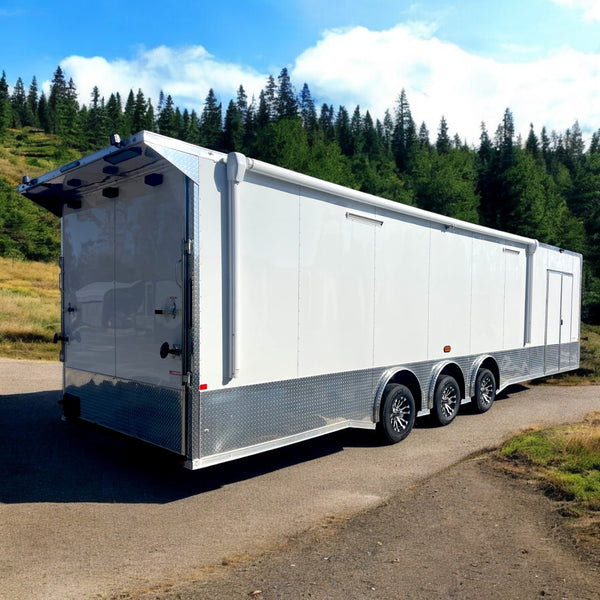
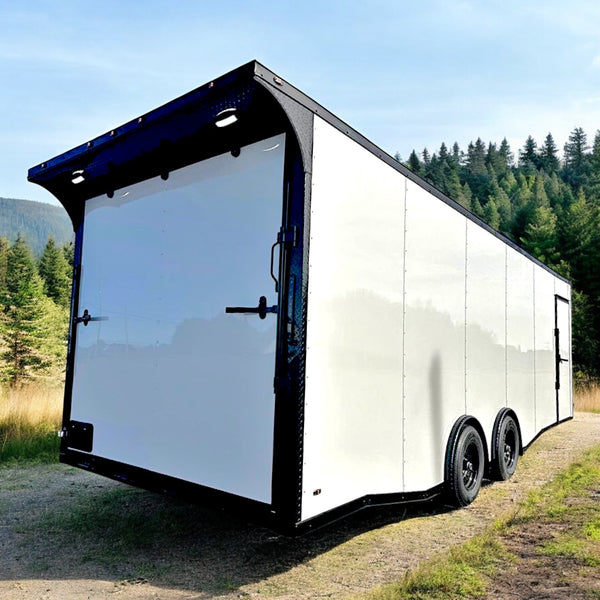
Trailer exterior lighting does more than help other drivers see your trailer. Modern systems improve visibility during loading, backing, campsite setup, and roadside inspections while creating a safer environment around the trailer.
At Backyard Escapism, we believe lighting should support both safety and convenience. The right upgrade enhances visibility in low-light conditions, protects equipment during nighttime use, and improves overall trailer appearance.
Understanding available lighting options helps buyers choose systems that perform reliably over time. Keep reading to discover which trailer exterior lighting upgrades deliver the best value for everyday use and long-term performance.
What Should Buyers Know About Trailer Exterior Lighting Upgrades?
Planning a lighting upgrade becomes much easier when buyers understand how different lighting systems improve visibility, safety, durability, and everyday trailer operation.
-
LED lighting typically provides greater brightness, longer service life, and lower power consumption than traditional incandescent trailer lights.
-
The best lighting layout depends on how the trailer is used, including highway towing, nighttime loading, camping, motorsports, or commercial work.
-
Upgrading exterior lighting should improve visibility without creating unnecessary glare or interfering with other trailer accessories.
How Can Better Exterior Lighting Improve Everyday Trailer Use?
Many trailer owners think about exterior lighting only when replacing a broken taillight. In reality, strategically upgrading exterior lighting can make everyday tasks much easier, whether the trailer is used for hauling equipment, camping, racing, landscaping, or commercial work.
Improved lighting allows owners to safely connect the trailer after dark, organize cargo more efficiently, inspect tie-downs, and navigate campsites or job sites with greater confidence. Modern LED lighting also improves visibility for surrounding drivers while reducing maintenance thanks to its longer operating lifespan.
Exterior lighting upgrades become even more valuable when combined with other trailer accessibility improvements. Better visibility around entry points, loading areas, and storage compartments helps create a trailer that is safer and more practical throughout every trip.
Owners planning to maximize their trailer's capabilities may also benefit from reading Exterior Utility and Access to see how better lighting and access points work together to improve overall trailer functionality.
A carefully planned lighting upgrade is not simply about appearance. It helps create a trailer that is easier to use, safer to operate, and more enjoyable during both daytime and nighttime adventures.
Which Exterior Trailer Lights Are Worth Upgrading?

Not every lighting upgrade provides the same benefit. Some lights improve visibility for surrounding traffic, while others make loading cargo or maneuvering the trailer significantly easier after sunset.
Understanding the function of each lighting component helps buyers prioritize upgrades that provide the greatest improvement for both safety and convenience.
Popular exterior lighting upgrades include:
-
LED Marker Lights: Improve trailer visibility from the side while consuming less power.
-
LED Clearance Lights: Increase visibility of the trailer's overall dimensions.
-
High-Output Taillights: Provide brighter brake and turn signals during daytime and nighttime driving.
-
LED Reverse Lights: Improve visibility when backing into campsites, garages, or loading areas.
-
License Plate Lights: Keep the license plate visible in low-light conditions.
-
Scene or Work Lights: Illuminate loading zones, storage compartments, and work areas beside the trailer.
-
Underbody Courtesy Lights: Improve footing around the trailer while adding subtle nighttime illumination.
Choosing upgrades based on how the trailer is actually used helps maximize both performance and long-term value.
What Should Buyers Compare Before Choosing Exterior Lighting?

Selecting new trailer lights involves more than choosing the brightest available option. Buyers should compare lighting performance, durability, power consumption, installation requirements, and long-term maintenance before upgrading.
According to the Branus Law Firm, visibility plays an important role in roadway safety, particularly during nighttime travel and low-light conditions.
"Approximately half of all traffic fatalities occur at night, even though only about 25 percent of travel occurs after dark." - Brauns Law Firm
Before selecting exterior lighting, compare the following features:
-
Light output (lumens)
-
Beam coverage
-
Weather resistance
-
LED versus incandescent technology
-
Operating voltage compatibility
-
Waterproof rating
-
Housing durability
-
Expected service life
Evaluating these features together helps buyers invest in lighting that performs reliably in changing weather and road conditions.
When Should Trailer Owners Add Auxiliary Lighting?
Credits: ChrisFix
Standard factory lighting is often sufficient for legal road use, but additional lighting can make everyday trailer operation much easier. Auxiliary lights improve visibility around loading areas, campsites, storage compartments, and work zones where factory lighting may not provide adequate illumination.
Owners who frequently tow after sunset, unload equipment at remote locations, or use enclosed trailers for commercial work often benefit the most from supplemental lighting.
Before adding auxiliary lighting, consider:
-
Where additional light is needed most
-
Available power supply
-
Switch location
-
Waterproof protection
-
Mounting position
-
Wiring accessibility
-
Future lighting upgrades
-
Local lighting regulations
Buyers planning to improve cargo protection at the same time may also benefit from reading Enclosed Trailer Rock Guard Setup to create a more durable trailer exterior.
How Can Different Lighting Features Improve Trailer Performance?
Upgrading trailer lighting is not only about increasing brightness. Different lighting features are designed to improve specific aspects of trailer operation, from highway visibility to nighttime loading and campsite safety.
Comparing the available features before purchasing helps buyers select a lighting system that supports both everyday towing and long-term reliability.
|
Lighting Feature |
Primary Benefit |
Why It Matters |
|
LED Marker Lights |
Improves side visibility |
Makes the trailer easier for surrounding drivers to identify, especially at night. |
|
High-Output Taillights |
Increases rear visibility |
Produces brighter brake and turn signals in varying weather conditions. |
|
LED Reverse Lights |
Enhances backing visibility |
Illuminates obstacles behind the trailer when reversing. |
|
Exterior Work Lights |
Supports loading tasks |
Brightens loading ramps, storage areas, and workspaces after sunset. |
|
Underbody Courtesy Lights |
Improves ground visibility |
Helps reduce trip hazards around the trailer during nighttime use. |
|
Waterproof Light Housings |
Extends service life |
Protects electrical components from moisture, mud, and road debris. |
|
Sealed Wiring Connectors |
Improves reliability |
Helps prevent corrosion and intermittent electrical issues. |
|
Low-Power LED Technology |
Reduces electrical demand |
Consumes less power while providing consistent illumination. |
Reviewing these lighting features together helps buyers create a balanced upgrade that improves both safety and everyday usability.
Why Is Weather Resistance Important for Trailer Lighting?
Exterior trailer lights are continuously exposed to rain, dust, road salt, vibration, and changing temperatures. Choosing weather-resistant lighting components helps reduce maintenance while improving long-term reliability throughout every season.
Well-sealed housings and protected wiring connections help prevent moisture intrusion that may shorten the lifespan of lighting systems. Durable materials also reduce the likelihood of cracked lenses, corrosion, or electrical failures after years of regular towing.
According to the Indiana University of Pennsylvania, LED lighting uses significantly less energy and lasts much longer than conventional lighting technologies.
"LED lighting is highly energy efficient and has a much longer lifetime than many other lighting technologies." - Indiana University of Pennsylvania
Before upgrading trailer lighting, buyers should evaluate:
-
Waterproof housing design
-
IP weather-resistance rating
-
Lens impact resistance
-
Corrosion-resistant mounting hardware
-
Sealed electrical connectors
-
UV-resistant lens material
-
Manufacturer warranty
-
Maintenance requirements
Selecting lighting designed for outdoor environments helps ensure dependable performance while reducing future replacement costs.
How Should Owners Plan a Complete Lighting Upgrade?
Rather than replacing individual lights one at a time, many owners achieve better results by planning the entire lighting layout before purchasing components. This approach creates consistent illumination while reducing installation time and future wiring modifications.
A complete lighting plan should consider:
-
Daily trailer usage
-
Highway visibility
-
Campsite lighting needs
-
Loading and unloading areas
-
Reverse visibility
-
Available electrical capacity
-
Future accessories
-
Long-term maintenance planning
A carefully planned lighting system improves visibility from every angle while supporting safer towing and more convenient trailer operation throughout the year.
What Should Buyers Check Before Upgrading Trailer Exterior Lighting?

Before purchasing new exterior lights, buyers should verify that every component is compatible with the trailer's electrical system and intended use. A complete inspection before installation helps reduce wiring issues while ensuring reliable performance in different driving and weather conditions.
Before upgrading, confirm the following checklist:
-
Are all exterior lights compatible with the trailer's voltage?
-
Will the new lights fit the existing mounting locations?
-
Are waterproof connectors included?
-
Is the wiring harness in good condition?
-
Do the selected lights provide adequate brightness?
-
Are marker and clearance lights positioned correctly?
-
Is fuse protection sufficient for additional lighting?
-
Are weather-resistant housings being used?
-
Have local lighting regulations been reviewed?
-
Will the upgrade interfere with existing trailer accessories?
-
Is routine maintenance easy to perform?
-
Have replacement parts been confirmed?
-
Has the complete lighting system been tested?
-
Are future lighting accessories planned?
Before completing the upgrade, buyers may also benefit from reading Secure Trailer Exterior Storage to improve safety and visibility around valuable equipment stored outside the trailer.
Frequently Asked Questions About Trailer Exterior Lighting Upgrades
Are LED trailer lights better than incandescent lights?
In many situations, yes. LED lights generally produce brighter illumination, consume less electrical power, and last significantly longer than traditional incandescent bulbs, making them a popular upgrade for enclosed trailers.
Which trailer lights should be upgraded first?
Most owners begin with marker lights, taillights, and reverse lights because they provide the greatest improvement in visibility for both highway driving and trailer maneuvering.
Can additional work lights be installed on an enclosed trailer?
Yes. Exterior work lights can be mounted near side doors, rear ramps, or storage areas to improve visibility during loading, unloading, or campsite setup after dark.
How often should trailer lights be inspected?
Lighting should be checked before every trip. Regular inspections help identify damaged lenses, loose wiring, moisture intrusion, or failed LEDs before they become safety concerns.
Do LED trailer lights require less maintenance?
Generally, yes. LED lighting contains fewer components that wear out compared to incandescent bulbs, reducing the frequency of replacements while providing more consistent performance.
How Can Exterior Lighting Make Every Trailer Trip Safer?
A properly planned exterior lighting upgrade improves more than appearance. Better visibility helps drivers maneuver confidently, complete loading tasks safely after dark, and increase awareness for surrounding traffic in changing road conditions.
Whether the trailer is used for work, recreation, or motorsports, investing in durable lighting components creates a safer and more functional towing experience for years to come.
Explore premium enclosed trailer builds at Backyard Escapism
Ready to customize a trailer with lighting that matches your needs? Build Your Ideal Trailer Today
References
-
https://braunslaw.com/blog/do-more-car-accidents-happen-at-night/
-
https://www.iup.edu/energymanagement/howto/led-lighting-benefits.html