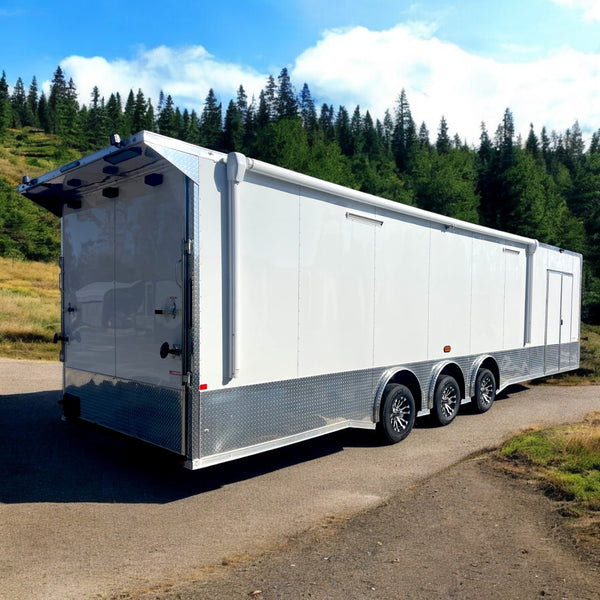
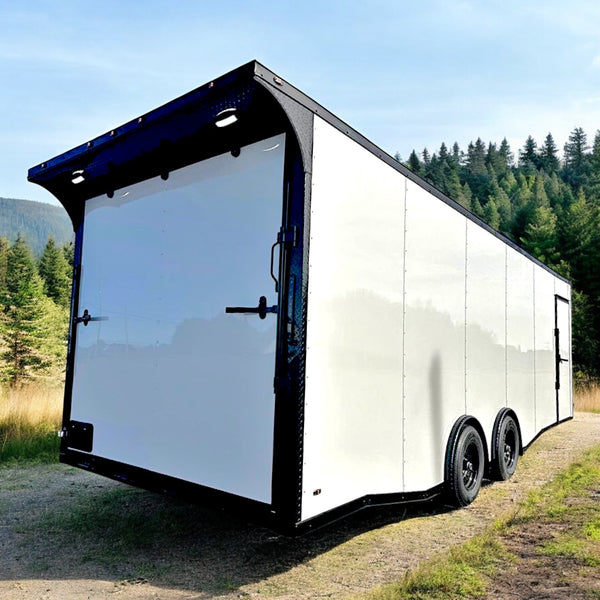
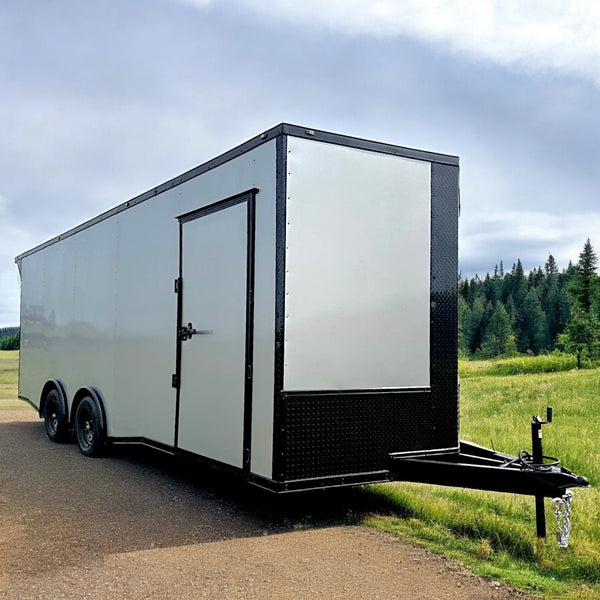
Local trailer dealers can be found through map searches, dealer locator tools, and regional listings, but choosing the right one is not only about distance. The main differences come from pricing structure, including markup, wholesale access, auction inventory, financing terms, freight costs, and seasonal demand.
These factors can change the price of the same trailer by hundreds or even thousands of dollars. Inventory availability, service support, and warranty handling also affect long-term value.
Understanding these pricing layers helps avoid overpaying and supports better comparison decisions. Explore available options at Backyard Escapism.
Why Do Trailer Prices Vary Between Dealers?
Before exploring dealer structures and pricing systems, the most important decision factors should be clear.
-
Trailer pricing varies due to markup, wholesale access, auction sourcing, credit profiles, and freight costs.
-
MSRP does not represent final transaction price; invoice and negotiation determine actual cost.
-
Dealer selection influences resale value, warranty support, financing conditions, and long-term maintenance costs.
How Can Local Trailer Dealers Be Found Near Any Location?
Local trailer dealers can be found using search engines, map tools, and manufacturer directories. The process is straightforward, but choosing the right dealer takes more than selecting the closest option. Prices, inventory levels, and service quality can differ even within the same area, so comparison is an important step.
A trailer itself refers to a basic transport unit that is designed to be pulled by another vehicle. This helps clarify why dealer selection and specifications matter in real use cases.
"Trailer is an unpowered vehicle towed by a powered vehicle." - Wikipedia (Trailer (vehicle)
How Does “Trailer Dealers Near Me” Search Work?
Search terms like “trailer dealers near me” usually bring up map-based results showing nearby dealers, basic reviews, and limited inventory details. This helps with quick discovery, but additional checks are needed before visiting.
Before choosing a listing, key points should be reviewed:
-
Confirm physical location and business status
-
Check current inventory availability
-
Review customer feedback patterns
-
Observe response speed from the dealer
-
Compare travel distance and access
Some listings may show attractive prices online, but final costs can change due to fees, add-ons, or optional upgrades.
How Do Multiple Dealer Listings Compare?
Different dealer listings often show different prices for similar trailer models. This usually happens because of differences in stock levels, timing, and local demand conditions.
Before making a decision, comparison across multiple sources is important:
-
Map and directory listings
-
Official dealer websites
-
Marketplace advertisements
-
Local classified platforms
Price differences between listings are common and often reflect how fast inventory is moving in each area rather than product quality alone.
How Is Dealer Inventory Availability Verified?
Trailer inventory can change quickly because demand shifts and stock moves fast. A trailer shown online may not always be available at the time of visit.
Before planning a visit, availability should be confirmed:
-
Current stock status
-
Exact model and size match
-
Available configuration options
-
Reservation or hold policies
Checking these details helps avoid unnecessary trips and ensures the correct trailer is still available for inspection or purchase.
What Types of Local Trailer Dealers Exist and How Do They Price Inventory?

Trailer dealers do not all follow the same pricing approach. Differences usually come from the type of inventory they carry, their supply source, and whether they focus on standard models or custom builds. These factors influence both price range and how flexible pricing can be.
How Do New and Used Trailer Prices Differ?
New and used trailers are priced differently based on condition, age, and expected lifespan. New trailers usually come with higher upfront costs but lower immediate maintenance needs, while used trailers offer lower entry prices with more potential repair costs.
-
New trailer price ranges vary by size and category
-
Used trailers are affected by depreciation levels
-
Maintenance and repair risks are higher for used units
-
Warranty coverage is more common with new trailers
-
Structural condition plays a major role in pricing
Used trailers may look more affordable at first, but long-term costs can increase depending on wear and condition.
How Do Specialized Trailer Dealers Operate?
Specialized dealers focus on specific trailer categories rather than offering a broad range of models. This specialization often results in more consistent inventory and deeper product knowledge within a specific segment.
-
Enclosed trailer dealers
-
Cargo trailer dealers
-
Utility trailer dealers
-
Equipment trailer dealers
-
Dump trailer dealers
Because of this focus, pricing can be more structured and inventory selection is usually more targeted to specific use cases.
How Do Custom Trailer Dealers Handle Orders?
Custom trailer dealers build trailers based on specific requirements instead of selling only pre-made inventory. Pricing is often shaped by materials, configuration complexity, and build specifications.
For buyers seeking greater flexibility, Lease to own custom trailer options may provide a way to acquire a custom-built trailer through scheduled payments rather than a large upfront investment.
-
Load capacity requirements
-
Interior layout design needs
-
Axle and brake system setup
-
Door and access configuration
-
Storage and customization features
Custom orders are often used when standard trailer models do not fully match the intended use, allowing more control over final design and functionality.
How Does Trailer Pricing Work at Local Dealers?
Trailer pricing is built from multiple layers, not just a single sticker price. The final number is shaped by base cost, dealer markup, financing and Ownership, and market conditions such as demand and inventory levels.
Each layer contributes differently to the final transaction price, which is why two similar trailers can have different costs.
Trailer Pricing Structure Comparison
|
Pricing Layer |
What It Means |
Typical Impact on Price |
|
MSRP |
Suggested retail price from manufacturer |
Not final price, often higher than invoice |
|
Invoice Price |
Dealer acquisition cost |
Baseline before markup |
|
Dealer Markup |
Added margin by dealer |
+5% to 35% depending on demand |
|
Wholesale Price |
Distributor-level pricing |
$800–$2,500 lower than retail |
|
Auction Price |
Used or excess inventory pricing |
15%–40% below retail market value |
|
Financing Cost |
Interest based on credit profile |
Can add $400–$1,000+ total cost |
How Is Dealer Markup Structured?
Dealer markup is the difference between the dealer’s purchase cost and the final selling price. It helps cover business costs and reflects market demand.
-
Base invoice cost from supplier
-
Markup percentage based on demand
-
Setup and preparation fees
-
Inventory holding costs over time
-
Optional add-ons or packages
Markup commonly ranges from 5% to 35%, depending on how fast a trailer model is moving in the market.
How Does MSRP Compare to Invoice Pricing?
MSRP is only a suggested retail price and is not always close to the real dealer cost. The invoice price is what the dealer typically pays before adding markup or fees.
-
MSRP is the manufacturer’s suggested price
-
Invoice reflects dealer purchase cost
-
Inventory pressure affects final pricing
-
Older stock may be reduced for clearance
Example:
-
MSRP: $7,500
-
Invoice: $6,200
-
Dealer price range: $6,900–$7,800
How Does Wholesale Pricing Differ From Retail Pricing?
Wholesale pricing is closer to distributor-level cost, while retail pricing includes full markup and operational expenses. The difference often depends on dealer size and supply access.
-
Wholesale pricing = lower base acquisition cost
-
Retail pricing = full markup included
-
Larger dealers may access better wholesale rates
-
Distribution channels affect final pricing
Price gaps between wholesale and retail can range from $800 to $2,500 depending on model and supply chain conditions.
How Do Auction Prices Influence Trailer Markets?
Auction pricing often sets the baseline value for used trailers and excess inventory. Dealers may use these prices as a reference when setting retail listings.
-
Auction prices are typically 15%–40% lower
-
Condition varies widely between units
-
Some trailers are refurbished before resale
-
Auction results influence market pricing floors
Example:
-
Auction price: $4,200
-
Retail price: $5,500–$6,200
How Do Credit-Based Financing Models Affect Trailer Pricing?
Financing affects the total cost of ownership, not just the monthly payment. Credit profile and loan structure can significantly change the final amount paid. Buyers who are evaluating payment options may also benefit from learning How to finance a custom enclosed trailer before comparing dealer financing offers and loan terms.
-
Credit score impacts interest rate
-
Down payment affects total loan size
-
Loan duration changes total interest cost
-
Risk level influences financing terms
Example:
-
Cash price: $7,000
-
Good credit financing: ~$7,400 total
-
Lower credit financing: $8,000+ total
Overall, trailer pricing reflects a combination of base cost, markup structure, market pricing benchmarks, and financing conditions rather than a single fixed price.
How Do Seasonal Pricing Cycles Affect Trailer Dealers?

Trailer prices change throughout the year based on demand. When more buyers are active, prices tend to rise. When demand slows down, pricing often becomes more flexible and discounts become more common. These changes are normal in trailer markets and are closely tied to inventory levels and timing.
How Does Peak Season Affect Pricing?
During peak season, demand for trailers increases, especially in warmer months when construction, transport, and outdoor use are more active. Because of this, available inventory can become limited and prices may adjust upward.
-
Spring and summer usually bring higher demand
-
Inventory becomes harder to find
-
Markups may increase depending on stock levels
How Do Off-Season Discounts Work?
When demand slows down, dealers often adjust pricing to move inventory faster. This usually happens toward the end of the year or during colder months.
-
End-of-year clearance pricing is more common
-
Winter often brings lower demand and better deals
-
Stock turnover incentives may be used to clear older units
How Do New Model Releases Affect Prices?
When new trailer models arrive, older inventory often becomes more affordable. Dealers may adjust prices to make room for updated stock.
-
Discounts often apply to older models
-
Clearance cycles begin when new stock arrives
-
Faster inventory turnover helps move remaining units
Overall, pricing shifts are mostly driven by timing, inventory pressure, and how quickly stock needs to move.
How Are Freight and Delivery Costs Calculated?
Freight and delivery costs play a big role in the final trailer price. In some cases, these costs are included in the base price, but often they are added separately depending on distance, size, and transport method. Understanding these costs helps avoid unexpected charges at the final stage of purchase.
How Does Local Delivery Pricing Work?
Local delivery is usually the most affordable option since the distance is short and logistics are simpler. It is often handled directly by the dealer or a nearby transport service.
-
Typical range: $150–$500
-
Usually handled by dealer transport
-
Lower fuel and time costs compared to long trips
How Do Regional Shipping Costs Apply?
When delivery covers a wider area, costs increase due to longer travel distance and higher fuel use. Route conditions and scheduling can also affect the final price.
-
Typical range: $500–$1,200
-
Fuel costs have a direct impact on pricing
-
Longer routes increase logistics complexity
How Do Long-Distance Freight Costs Build Up?
Long-distance shipping has the highest cost because of distance, fuel usage, and transport requirements. Larger or heavier trailers can also increase the final delivery price.
-
Typical range: $1,200–$2,500+
-
Distance is the main cost driver
-
Trailer size and weight affect pricing
Overall, freight costs vary mainly based on distance and trailer specifications, making it an important part of the total purchase budget.
How Is Negotiation Structured at Trailer Dealers?
Negotiation is a normal part of trailer buying. Prices are rarely fixed, and the final cost often depends on timing, inventory, and how different offers compare. A structured approach helps make pricing easier to understand and evaluate.
How Are Multiple Dealer Quotes Compared?
Comparing multiple quotes helps identify whether a price is fair for the same trailer model and setup. It also shows how much pricing can vary between dealers in the same region. In addition to comparing purchase prices, buyers should review financing offers and Best loan rates for enclosed trailers , since loan terms can significantly affect the total cost of ownership.
-
At least 2–3 quotes should be reviewed
-
Same model and specifications should be compared
-
Full cost breakdowns should be checked, not just sticker price
How Are Discounts Identified?
Discounts usually depend on how long a trailer has been in inventory and how quickly it needs to sell. Timing also plays a major role in pricing flexibility.
-
Slow-moving stock often has more discount room
-
Older inventory may be reduced in price
-
Seasonal timing can increase or decrease discount chances
How Is a Negotiation Strategy Built?
A simple and clear approach usually leads to better pricing outcomes. The focus is on total cost rather than only the listed price.
-
Ask for the full final out-the-door price
-
Remove unnecessary add-ons when possible
-
Use trade-in value to reduce total cost if available
How Does a Real Trailer Buying Scenario Look?
A typical buying situation shows how the same trailer can be priced differently across multiple dealers. The difference usually comes from inventory age, package inclusion, and pricing flexibility.
-
Dealer A: $8,200 (bundled package)
-
Dealer B: $7,400 (standard configuration)
-
Dealer C: $6,950 (older inventory)
A lower price does not always mean better overall value, since condition, warranty coverage, and long-term cost can vary between options.
How Do Dealer Certification and Service Levels Affect Value?
Dealer certification and service capability affect the overall ownership experience. These factors influence how smoothly warranty claims are handled, how quickly repairs are completed, and how reliable long-term support will be.
How Does Certification Level Impact Service Quality?
Certification level reflects how qualified a dealer is to handle sales, maintenance, and warranty work. Higher certification usually means stronger technical support and better access to official parts and procedures.
-
Factory authorization status
-
Technician training level
-
Warranty handling ability
How Does Inventory Age Influence Pricing?
Inventory age affects pricing because older trailers typically need to move out of stock faster. Condition and storage time can also influence final value.
-
Difference between new and aged stock
-
Storage condition and exposure over time
-
Turnover speed and how quickly units sell
How Does Service Support Affect Ownership Cost?
Service support plays a long-term role in total ownership cost. Even after purchase, access to repairs and parts can affect how easy and affordable maintenance becomes.
-
Repair access and service availability
-
Parts availability for replacements
-
Ongoing maintenance support and response time
Overall, stronger certification and better service coverage often contribute to smoother ownership, while inventory age and support structure can influence both price and long-term cost.
How Do Regional Pricing Differences Occur?
Trailer prices often change from one region to another even for the same model. These differences usually come from logistics costs, local demand, and how competitive the dealer market is in that area.
How Do Logistics Costs Influence Pricing?
Transport and distribution costs have a direct impact on trailer pricing. The farther a trailer needs to move from a distribution center, the higher the cost tends to be.
-
Distance from distributor or factory
-
Freight efficiency and transport routes
-
Fuel and logistics cost differences
Longer shipping distances usually increase the base price because transportation becomes more expensive and complex.
How Does Market Demand Change Pricing?
Local demand plays a big role in pricing. When more buyers are active in a region, prices tend to rise due to limited available stock.
-
High demand increases pricing pressure
-
Low demand often leads to lower prices
-
Inventory availability shifts with buyer activity
This is why the same trailer model can cost more in one region and less in another.
How Does Dealer Competition Affect Price Levels?
Competition between dealers influences how flexible pricing can be. Areas with more dealers often see more competitive pricing.
-
High competition can reduce markup levels
-
Low competition often leads to higher prices
-
More dealers usually mean more price negotiation options
When multiple dealers compete in the same region, pricing tends to become more balanced and closer to market value.
How Does Dealer Choice Affect Resale Value?

Dealer choice can influence how strong the resale value of a trailer will be later. This usually depends on service history, warranty coverage, and how trustworthy the dealer appears in the market. Buyers often feel more confident when a trailer comes with clear records and support from a reliable dealer.
How Does Maintenance History Affect Resale?
A clear maintenance history helps improve resale value because it shows the trailer has been properly cared for. It also reduces uncertainty for future buyers.
-
Clear maintenance records over time
-
Repair and service documentation
-
Proof of regular inspections or upkeep
Trailers with organized service history are often easier to resell and may hold value better.
How Does Warranty Coverage Affect Resale?
Warranty coverage can make a trailer more attractive in the resale market. It gives future buyers more confidence that potential issues are covered for a certain period.
-
Transferable warranty options
-
Clear coverage terms and conditions
-
Remaining warranty duration at resale time
A trailer with active or transferable warranty is often easier to sell compared to one without coverage.
How Does Dealer Reputation Influence Market Value?
Dealer reputation can affect how the trailer is perceived in the market. A trailer sourced from a well-known or authorized dealer is often seen as more reliable.
-
Authorized dealer status
-
General market trust level
-
Consistency in service and support quality
Overall, stronger dealer credibility can support better resale confidence and smoother transactions in the future.
How Is the Best Local Trailer Dealer Selected?
Credit: PolkaDotFarms
Choosing a trailer dealer depends on overall value, not just the lowest price. A good decision usually comes from balancing pricing clarity, inventory condition, and long-term ownership costs.
How Is Pricing Transparency Evaluated?
Clear pricing helps avoid unexpected costs and makes comparison between dealers easier. It also shows how honest and structured the pricing system is.
-
Full cost breakdown (not just sticker price)
-
Clear listing of fees and add-ons
-
No hidden charges during final payment
Transparent pricing makes it easier to understand the real total cost before purchase.
How Is Inventory Quality Assessed?
Inventory quality affects how well a trailer fits specific needs and how long it can perform reliably. Availability and variety also matter when comparing dealers.
-
Range of available models and sizes
-
Real-time stock availability
-
Condition of available units
Better inventory quality usually gives more flexibility in choosing the right trailer setup.
How Is Long-Term Cost Evaluated?
Long-term cost is often more important than the initial price. It includes all expenses that come after purchase and during ownership. This includes maintenance, financing, insurance, and asset performance over time. Buyers who use trailers for business purposes may also benefit from understanding the Tax implications of commercial trailers, since deductions, depreciation rules, and local tax requirements can influence overall ownership costs.
"Before you buy equipment or assets, evaluate total cost of ownership, including purchase price, maintenance, financing, and long-term operating costs." - U.S. Small Business Administration (SBA)
-
Maintenance and repair costs over time
-
Financing and interest expenses
-
Expected resale value in the future
Considering total cost helps avoid situations where a low upfront price leads to higher long-term spending.
FAQ
Why do trailer prices vary between local dealers?
Trailer prices vary because each dealer has different cost structures. Markup rates, wholesale access, auction sourcing, and inventory age all affect the final price. Freight costs and seasonal demand also change pricing even for the same model.
Is MSRP the real price paid for a trailer?
MSRP is not the final price. It is only a suggested retail value from the manufacturer. The actual transaction price is usually based on invoice cost, dealer markup, inventory pressure, and negotiation outcomes.
How much does dealer markup usually affect trailer pricing?
Dealer markup typically ranges from 5% to 35%. It depends on demand, stock availability, and how fast a trailer model is selling. This markup covers business costs such as storage, setup, and operational expenses.
How do financing and credit affect total trailer cost?
Financing changes the total amount paid over time. Credit score, down payment size, and loan length all influence interest rates. Strong credit often results in lower total cost, while weaker credit can increase the final amount significantly.
What should be checked before choosing a trailer dealer?
Before choosing a dealer, total value should be evaluated instead of price alone. Important factors include pricing transparency, inventory condition, warranty handling, service support, and long-term maintenance cost.
How Are Local Trailer Dealers Evaluated for Real Market Value?
Real value in trailer selection comes from understanding pricing structure, total ownership cost, and how well a trailer matches specific hauling needs. A properly chosen mobile solution improves daily efficiency, reduces maintenance issues, and supports long-term reliability beyond the initial purchase price.
Explore a premium build example with the 24ft Ultimate Auto & Toy Hauler from Backyard Escapism.
Ready to move forward? Build Your Ideal Trailer Today and start a custom setup designed for long-term use and dependable performance.
References
1. https://en.wikipedia.org/wiki/Trailer_(vehicle)
2. https://www.sba.gov/business-guide/manage-your-business/buy-assets-equipment
Related Articles
-
https://backyardescapism.com/blogs/the-escapist/how-to-finance-a-custom-enclosed-trailer
-
https://backyardescapism.com/blogs/the-escapist/tax-implications-of-commercial-trailers
-
https://backyardescapism.com/blogs/the-escapist/best-loan-rates-for-enclosed-trailers
-
https://backyardescapism.com/blogs/the-escapist/lease-to-own-custom-trailer-options
- https://backyardescapism.com/blogs/the-escapist/financing-and-ownership/